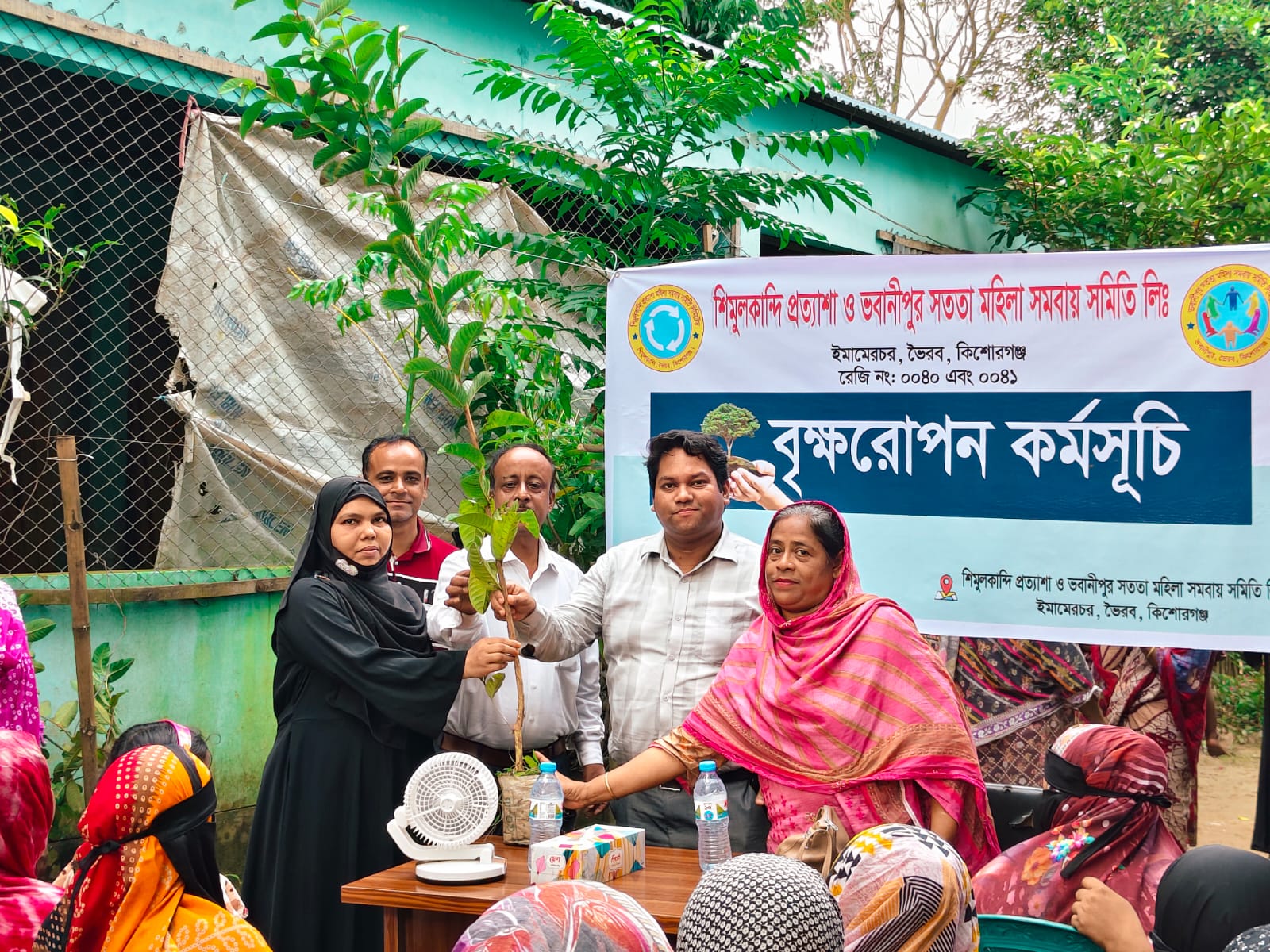
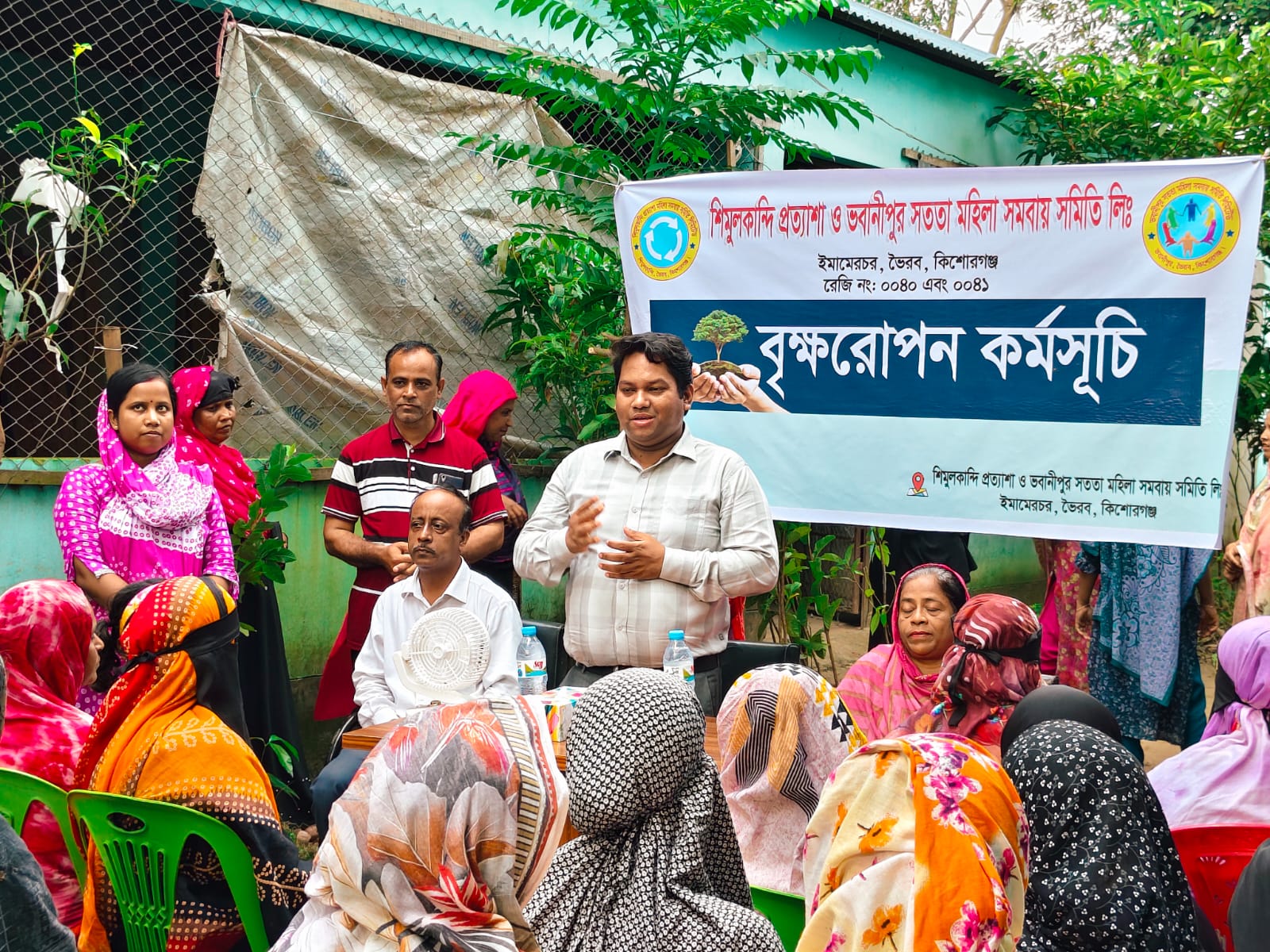
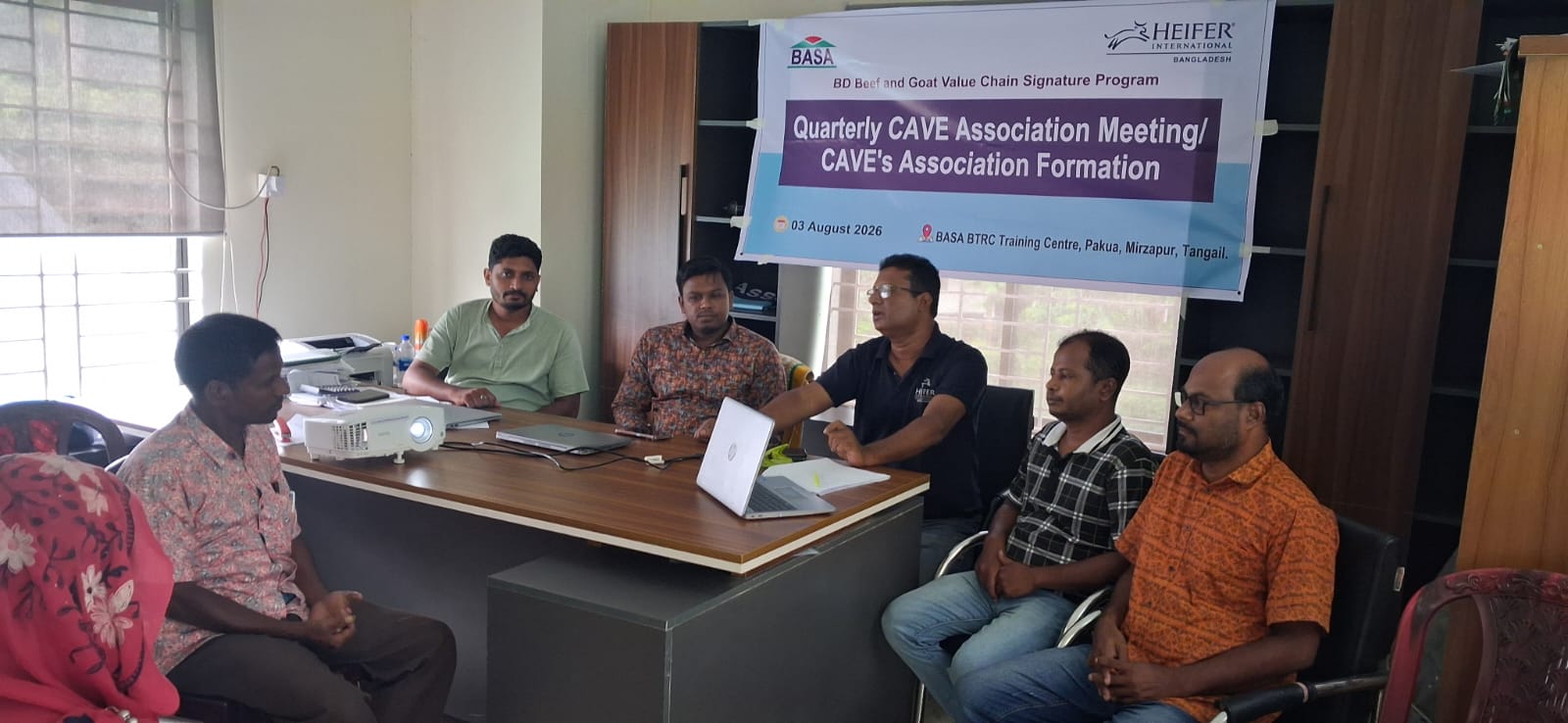
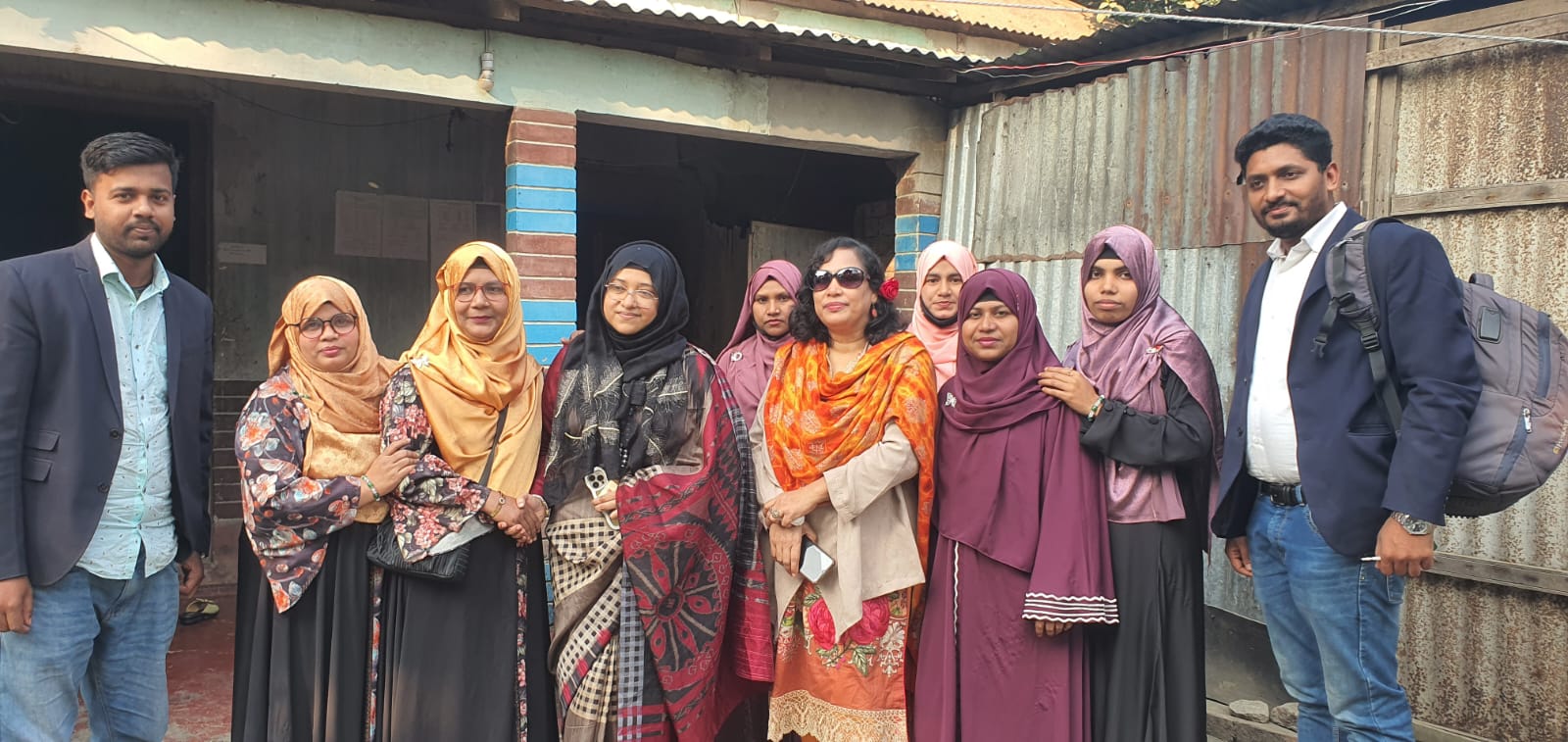
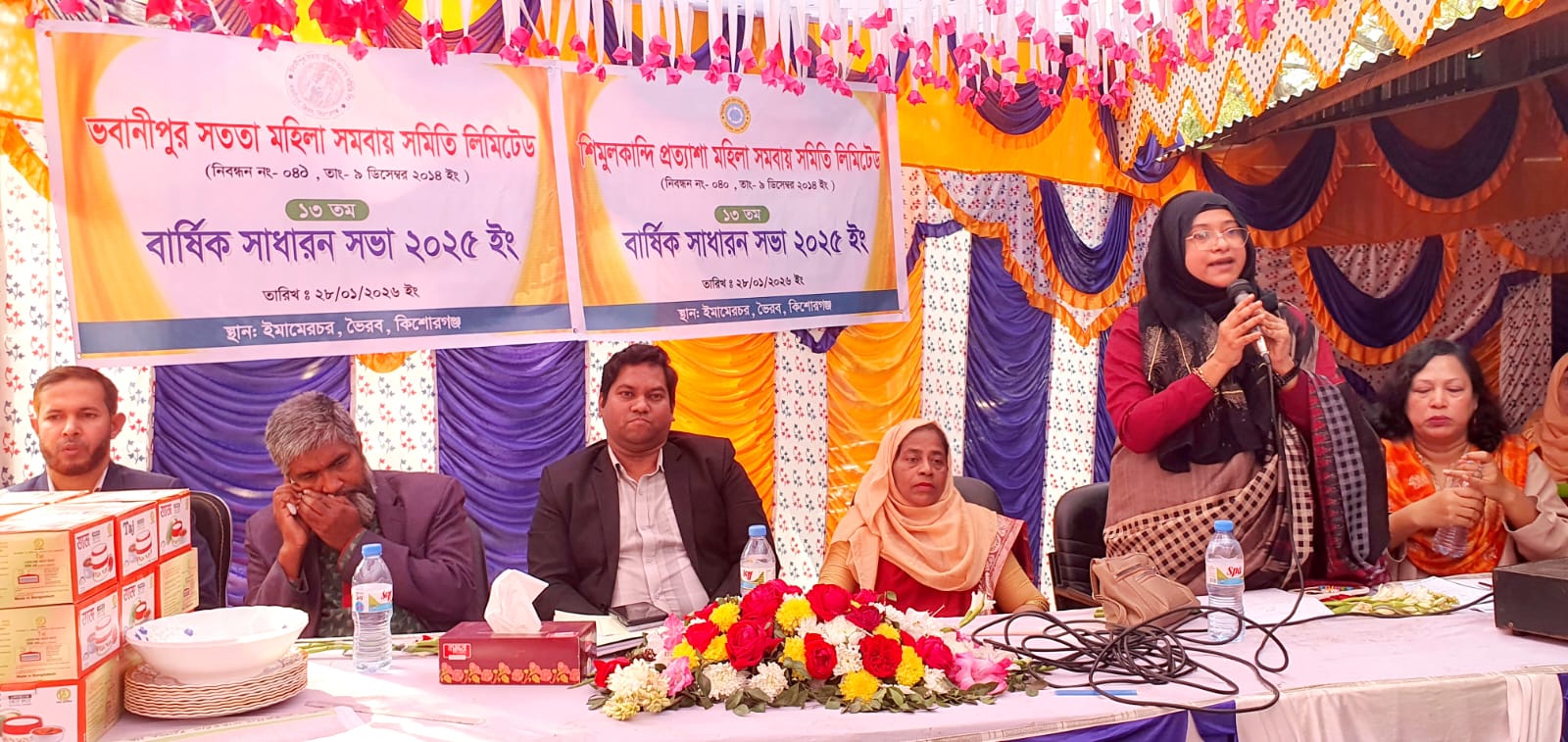
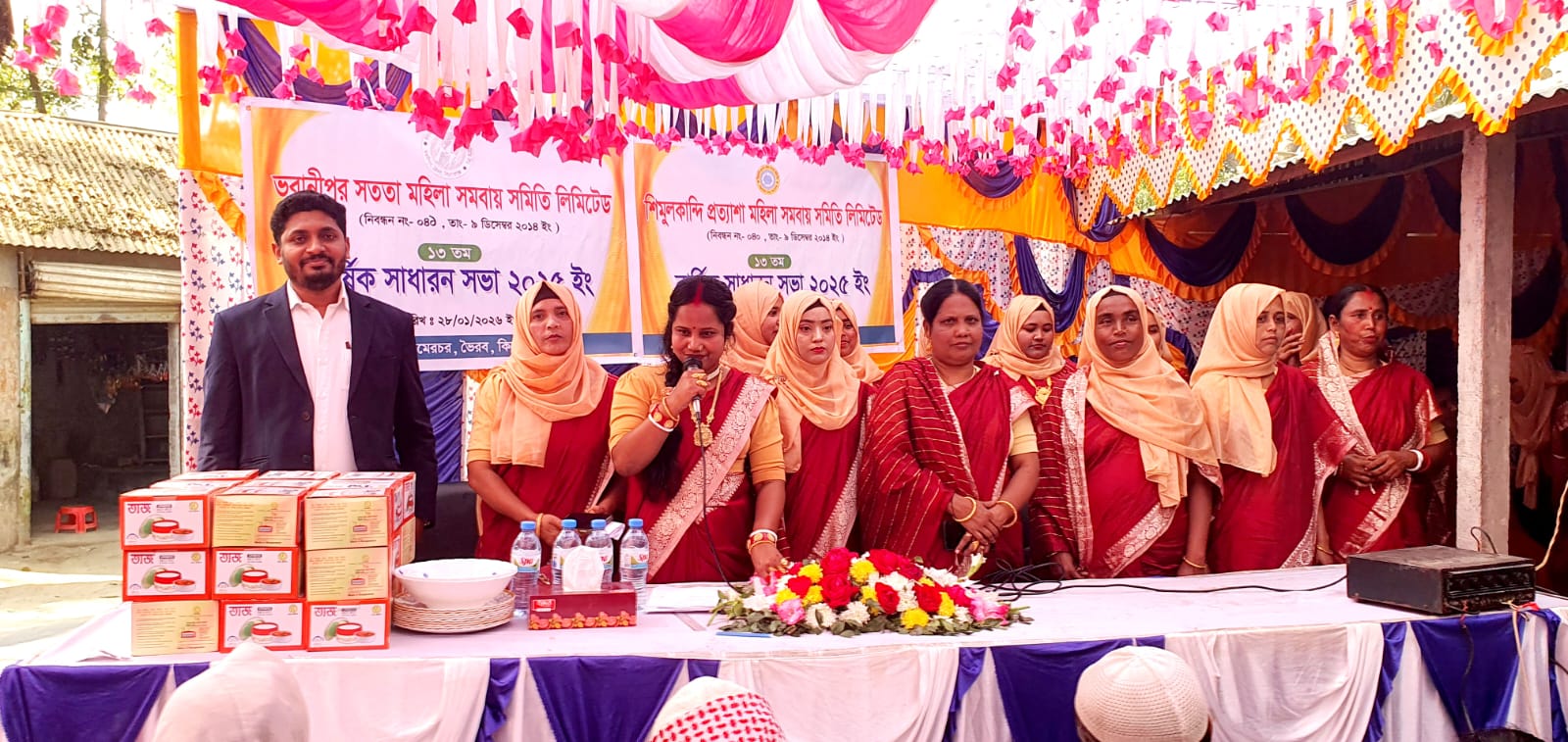
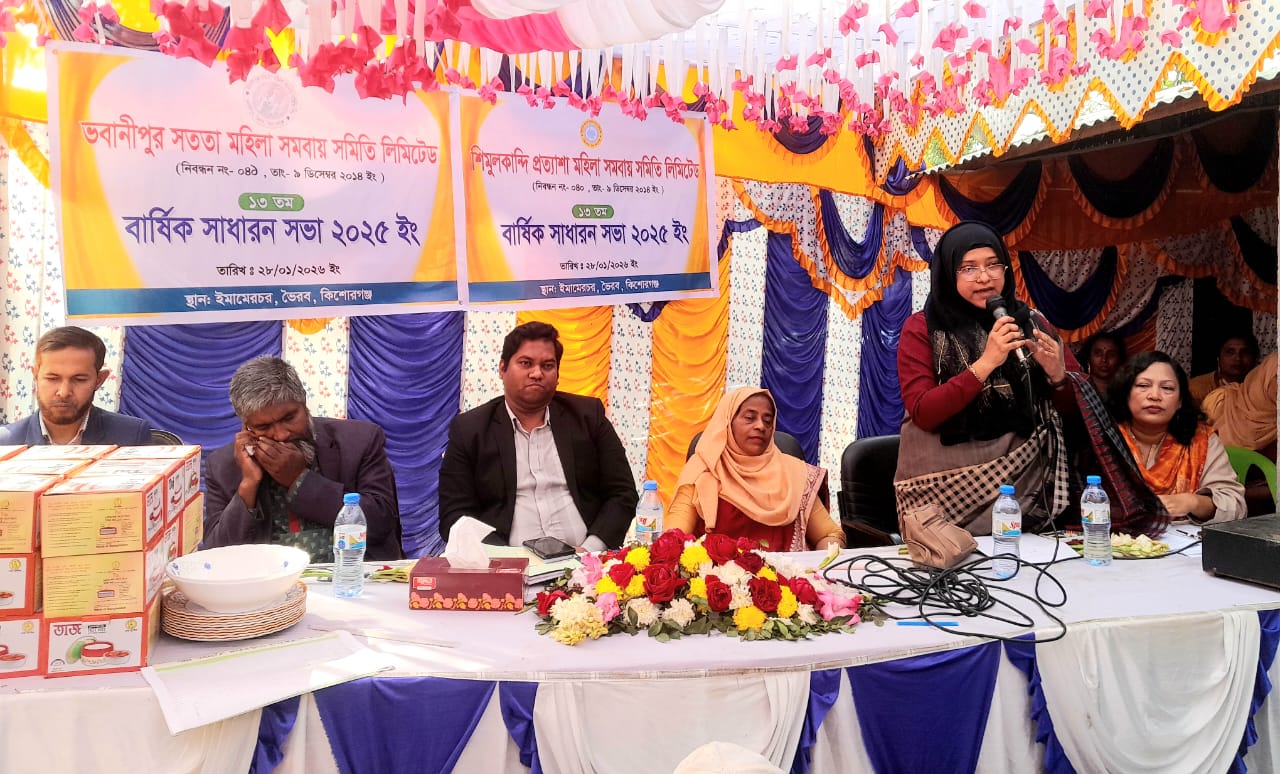
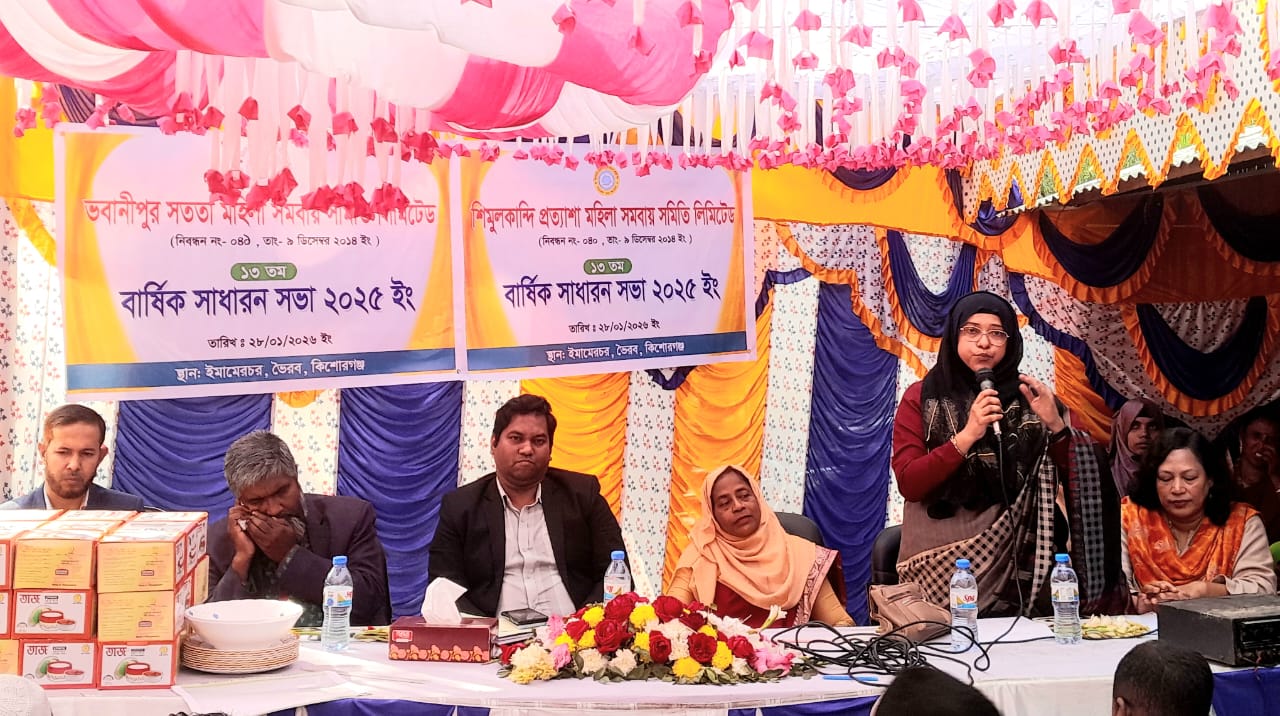
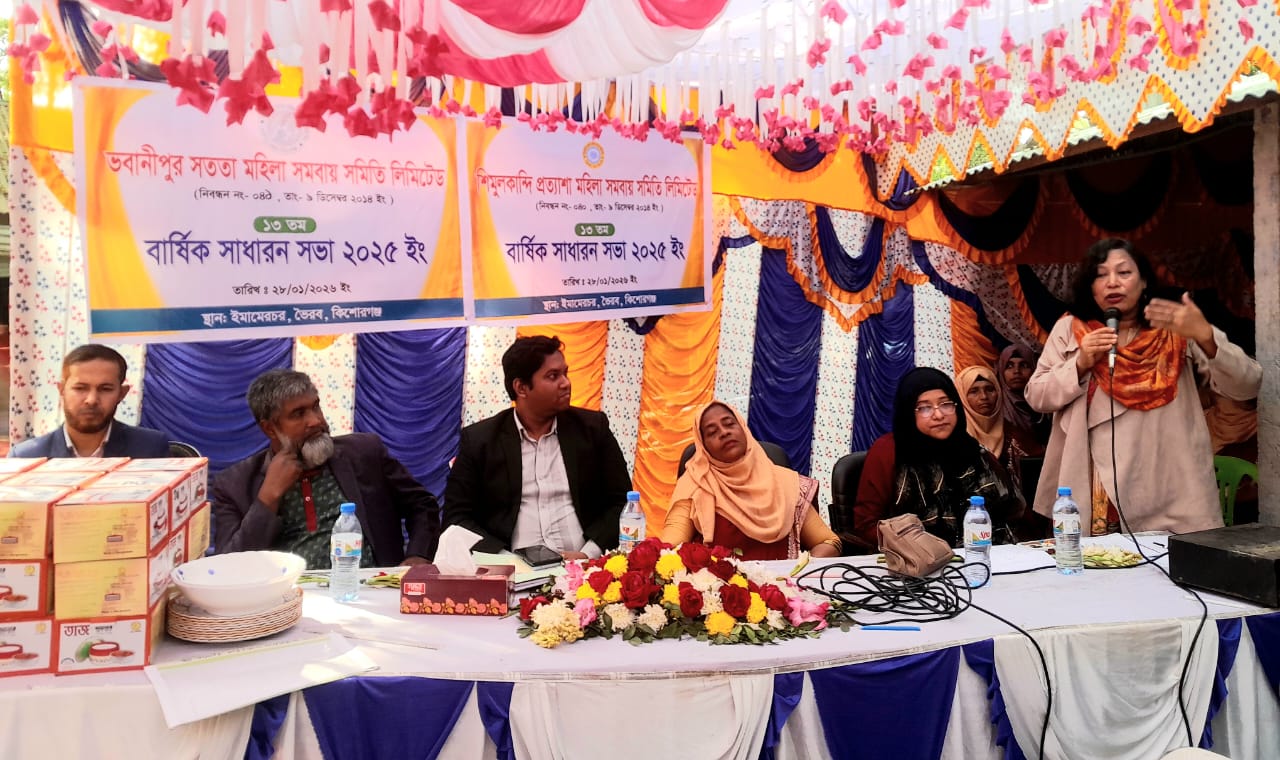
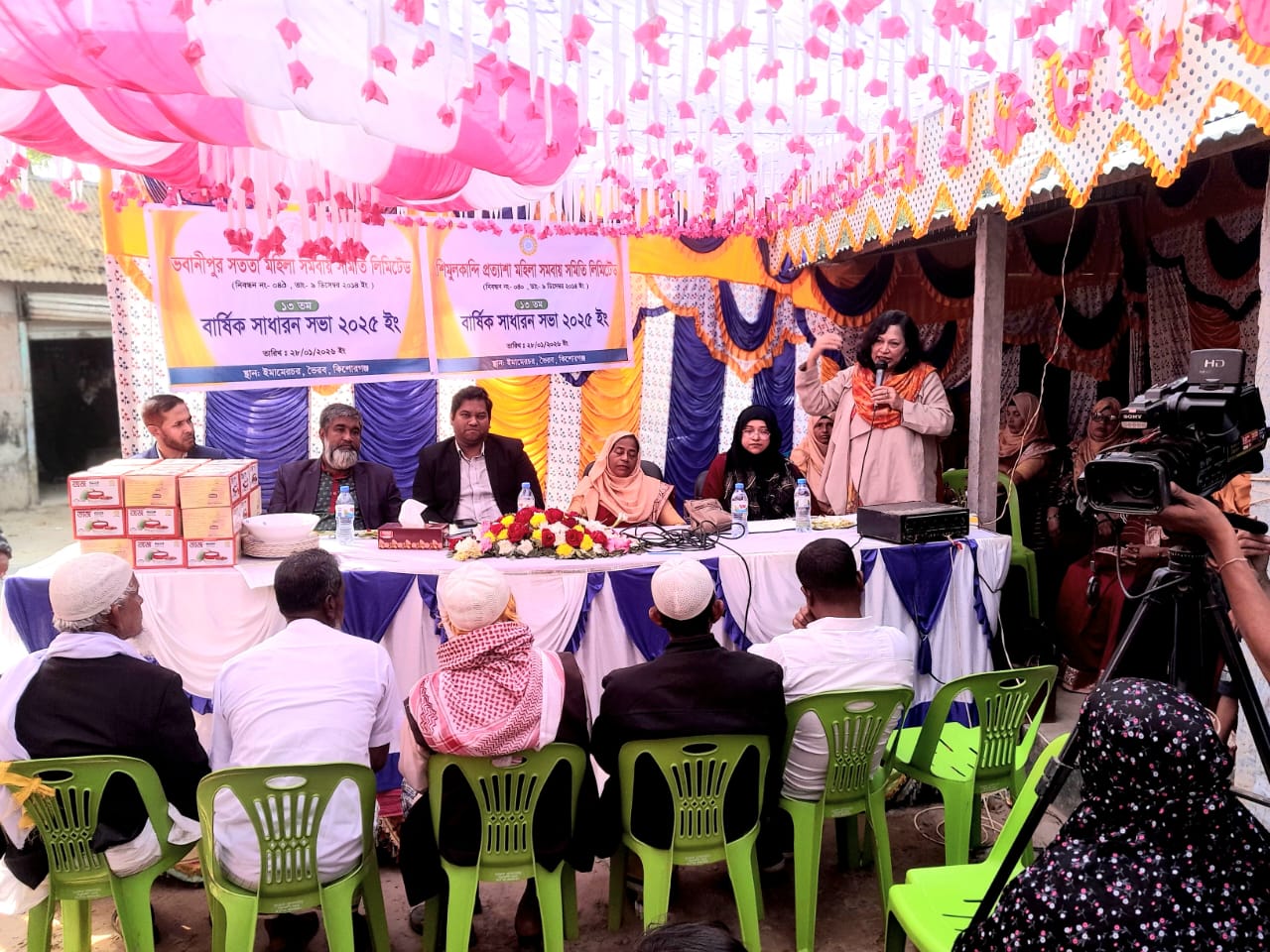
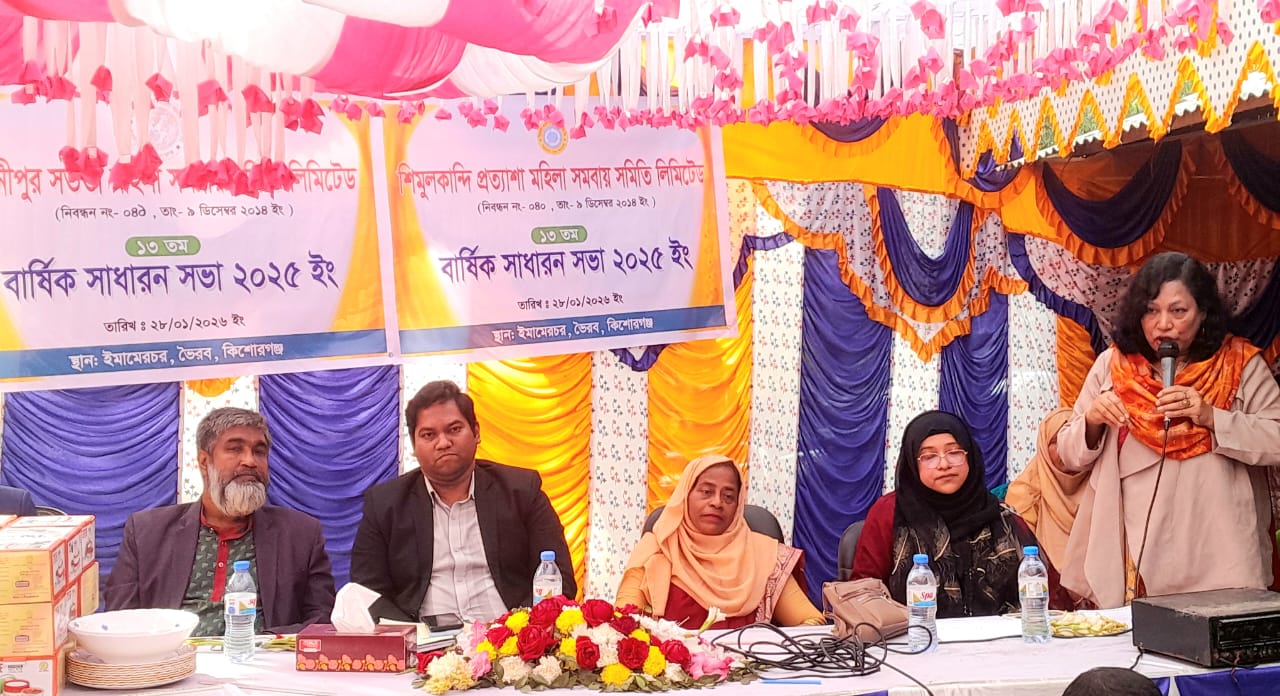
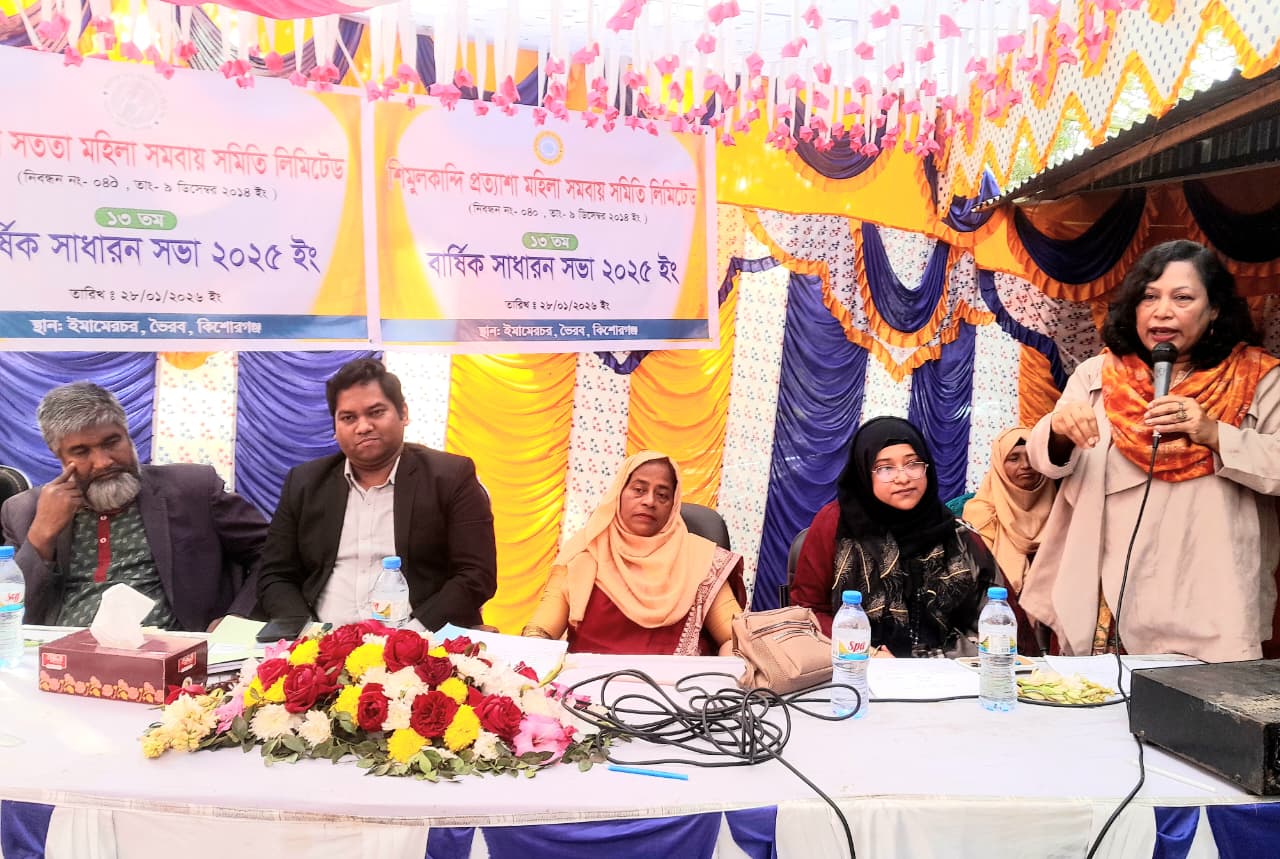
The project promotes market-oriented horticulture and fodder production by strengthening linkages among local entrepreneurs, cooperatives, farmers, and public- and private-sector service providers. Potential entrepreneurs and market opportunities are identified, while feasibility assessments help determine viable production and business prospects. Partnerships and institutional agreements are facilitated to strengthen market access, improve value chain coordination, and create sustainable income-generating opportunities. Regular monitoring and follow-up support improved production, marketing, and business sustainability.
1Community-Level Poultry Rearing Training
The project provides practical training to selected households and aspiring farmers on improved, healthy, and systematic poultry rearing practices. Participants receive guidance on appropriate poultry housing and shed management, biosecurity, feeding, disease prevention, and overall poultry care. Linkages with chick suppliers and local poultry entrepreneurs facilitate access to quality chicks and related services. Post-training follow-up and technical support help participants manage their poultry enterprises effectively, improve household nutrition, and generate additional income.
2. The project promotes the expansion of moringa cultivation as a potential source of nutrition, income generation, and livelihood diversification. Suitable land and interested farmers are identified to assess cultivation opportunities and local potential. A total of 30 farmers receive practical guidance on land preparation, seedling plantation, and improved crop management practices. Linkages with processors, entrepreneurs, and private-sector actors are explored to develop market opportunities, strengthen value addition, and ensure the commercial sustainability of moringa production.
3. Selection and Capacity Development of Community Animal Volunteers (CAVEs)
The project identifies and selects Community Animal Volunteers (CAVEs) in accordance with project requirements and strengthens their capacity through appropriate training and technical guidance. Linkages with the Upazila Livestock Office and private-sector actors facilitate access to veterinary services and technical support. The project also provides medicine kits to selected CAVEs to strengthen their capacity to deliver basic animal health services within their communities. Regular monitoring and follow-up support effective kit utilization and improved last-mile livestock service delivery.
4. Awareness and Promotion of Animal Health Services
The project promotes awareness of accessible and quality animal health services among farmers, livestock rearers, Community Animal Volunteers (CAVEs), Artificial Insemination (AI) workers, and other relevant service providers. Awareness campaigns, information materials, and community-level sessions disseminate essential information on animal health, disease prevention, and available veterinary services. The project reaches approximately 1,000 farmers through awareness sessions and facilitates coordination with suppliers and service providers. Follow-up activities encourage greater awareness, improved service utilization, and better livestock health management.
5. Climate-Smart Agricultural Technologies and Support
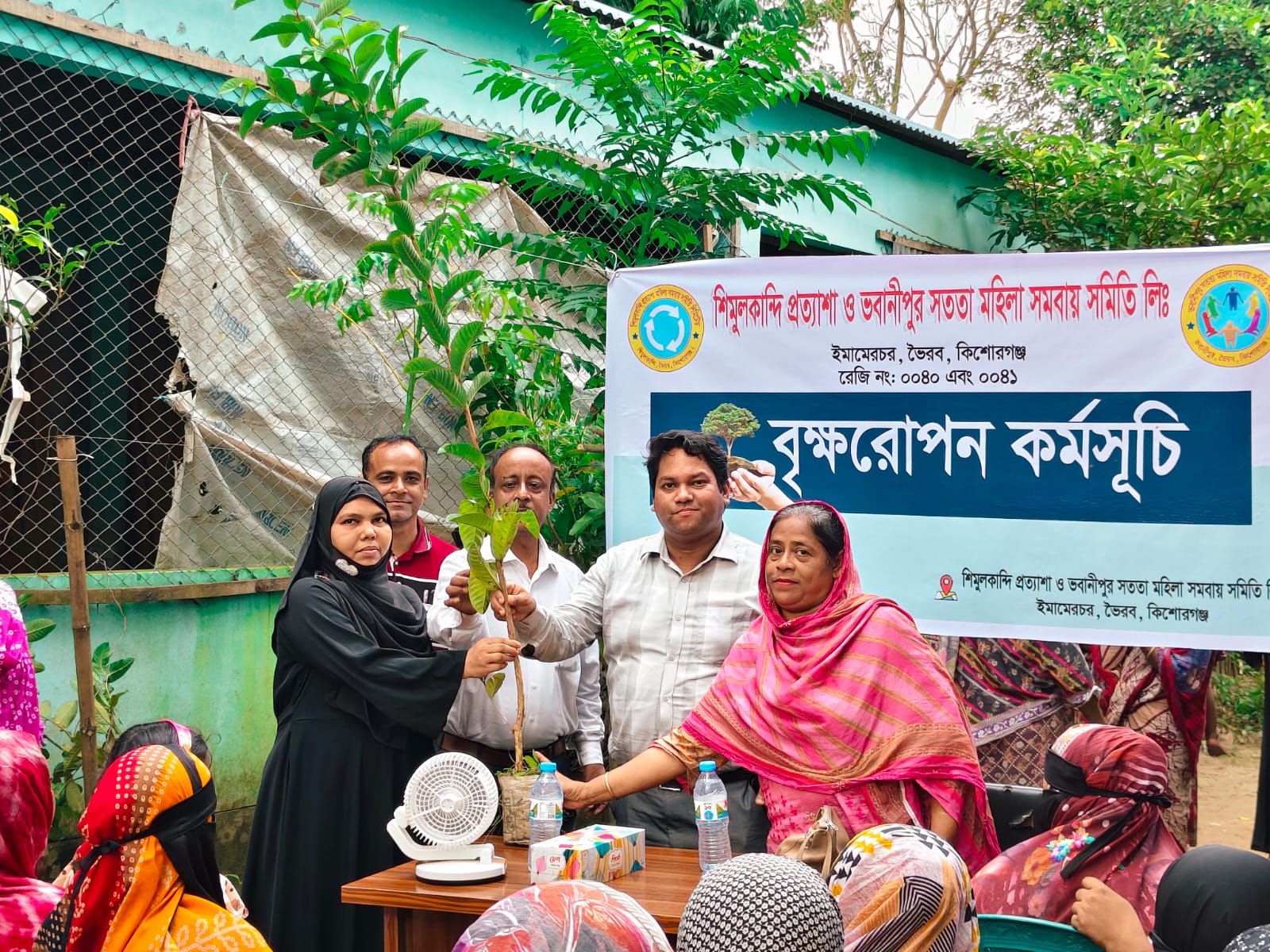
The project promotes climate-resilient and environmentally sustainable agricultural practices through farmer training, technical guidance, and appropriate technology support. Farmers receive practical orientation on natural composting, seed preservation, mulching, improved crop varieties, and other climate-smart agricultural technologies. Field-level demonstrations and follow-up support encourage the application of these practices, improve resource efficiency, strengthen climate resilience, and contribute to sustainable agricultural productivity.
6 Digital Cooperative Management – Coops 360
The project promotes digital transformation in cooperative management through the introduction and use of the Coops 360 software. Discussions and orientation sessions with cooperative management committees and staff strengthen their understanding of digital recordkeeping, administrative processes, and cooperative operations. Appropriate mobile devices are provided to facilitate the use of the software at the cooperative level. Regular monitoring and technical follow-up support effective utilization, improved transparency, accountability, and more efficient cooperative management.
7. Seed Preservation and Storage Materials
The project assesses farmers’ seed preservation needs and existing storage capacities and provides training on appropriate seed collection, preservation, and storage techniques. Suitable storage materials, including jars, drums, packets, and other containers, are provided according to farmers’ requirements. Regular follow-up supports improved seed preservation, management, and availability for future cultivation.
8. Development of Climate-Resilient Farmer Champions
The project identifies promising and progressive farmers in collaboration with relevant agriculture and livestock departments, cooperatives, and private-sector institutions. Through targeted training, appropriate input support, and regular monitoring, these farmers are developed as Climate-Resilient Farmer Champions. They serve as local role models, demonstrating good agricultural practices and sharing practical knowledge and experiences with fellow farmers.
9 Development of Seedling Production Entrepreneurs
The project identifies potential entrepreneurs with suitable land and an interest in commercial seedling production. Selected participants receive practical training and technical assistance to establish and strengthen their seedling production enterprises. Linkages with cooperatives, government departments, private buyers, and relevant institutions facilitate access to quality seeds, technical services, and reliable markets for seedlings.
10. Digitalization of Agricultural Services
The project assesses existing gaps in farmers’ and cooperatives’ access to agricultural information, digital services, and technical support. Appropriate digital tools and technology-based solutions are identified and promoted to improve access to timely and relevant agricultural services. Coordination among government departments, CAVEs, cooperatives, and private-sector institutions supports effective implementation and continued service delivery.
11. Linkages for Livestock Insurance Services
The project facilitates access to livestock insurance services by assessing the needs of livestock-rearing farmers and the suitability of available insurance products. It establishes linkages with insurance providers and relevant institutions, raises farmers’ awareness of insurance coverage, terms, conditions, and benefits, and supports beneficiary identification and enrolment. Regular monitoring helps ensure access to appropriate insurance services.
12. Development of Black Soldier Fly Production Entrepreneurs
The project promotes entrepreneurship in Black Soldier Fly (BSF) production as an alternative and sustainable source of protein for poultry and fish feed. Potential entrepreneurs receive practical training, technical guidance, and appropriate equipment support. Market linkages with commercial poultry and fish farms, as well as relevant agriculture and livestock institutions, help establish viable production and marketing opportunities.
13. Demonstration of a Model Low-Carbon Livestock Shed
The project promotes an environmentally friendly, resource-efficient, and climate-responsive model livestock shed. The model incorporates potential features such as IoT-based fogging systems, adequate ventilation, Total Mixed Ration (TMR) feeding, planned tree plantation, nature-based solutions, zero tillage, and improved grass and fodder management. Technical guidance, stakeholder coordination, training, and regular follow-up support the demonstration and adoption of sustainable livestock-rearing practices.
14 Promotion of Youth-Led Dairy and Jute-Based Organic Products
The project promotes youth-led entrepreneurship through the development and marketing of dairy-based and jute-based organic and environmentally friendly products. Young entrepreneurs receive capacity-building training, technical guidance, and support through collaboration with relevant public- and private-sector institutions. Market assessments and business linkages strengthen product development, value addition, innovation, and market access.
15 Technology Support and Demonstrations for Farmers
The project facilitates farmers’ access to and adoption of improved agricultural technologies and climate-smart production practices. These include improved crop varieties, mulching, zero tillage, sex pheromone traps, yellow sticky traps, and bird perches for integrated pest management. Beneficiary selection, technology demonstrations, input support, and field-level monitoring encourage the adoption and wider replication of effective agricultural technologies.
16 Promotion of Soil Health, Soil Testing, and Balanced Fertilizer Use
The project promotes sustainable soil management through awareness sessions and practical guidance on soil health, soil testing, and balanced fertilizer application. Farmers are encouraged to conduct soil tests and apply fertilizers based on test results and specific crop requirements. These practices help maintain soil fertility, improve crop productivity, minimize excessive fertilizer use, and ensure the long-term sustainability of agricultural land.
17. Community Awareness on Climate-Smart Agriculture (CSA) and Good Agricultural Practices (GAP)
The project organizes community-level awareness programmes to promote Climate-Smart Agriculture (CSA), Good Agricultural Practices (GAP), and appropriate agricultural technologies. Farmers and local stakeholders participate in awareness sessions, discussions, and demonstrations to strengthen their understanding of safe, sustainable, and climate-resilient agricultural production. These initiatives encourage responsible farming practices and wider community adoption.
18. Development of Champion Soil Entrepreneurs
The project identifies and develops promising local entrepreneurs to promote soil health management and provide related agricultural services within their communities. Selected entrepreneurs receive appropriate training, technical guidance, and necessary support to strengthen their service delivery capacity. Post-training monitoring and institutional linkages help establish sustainable, locally driven soil-health initiatives and entrepreneurship opportunities.
19. Training on the Use of AI Chatbots for Agricultural Information
The project provides practical training to selected farmers, cooperative representatives, and other relevant participants on using Artificial Intelligence (AI)-based chatbots to access agricultural and related information. Training covers basic chatbot operations, effective question formulation, information retrieval, and the importance of verifying AI-generated responses through reliable sources and technical experts. Follow-up support encourages the responsible and practical use of AI tools in agricultural decision-making.
20. Cooperative Society Coordination Meetings
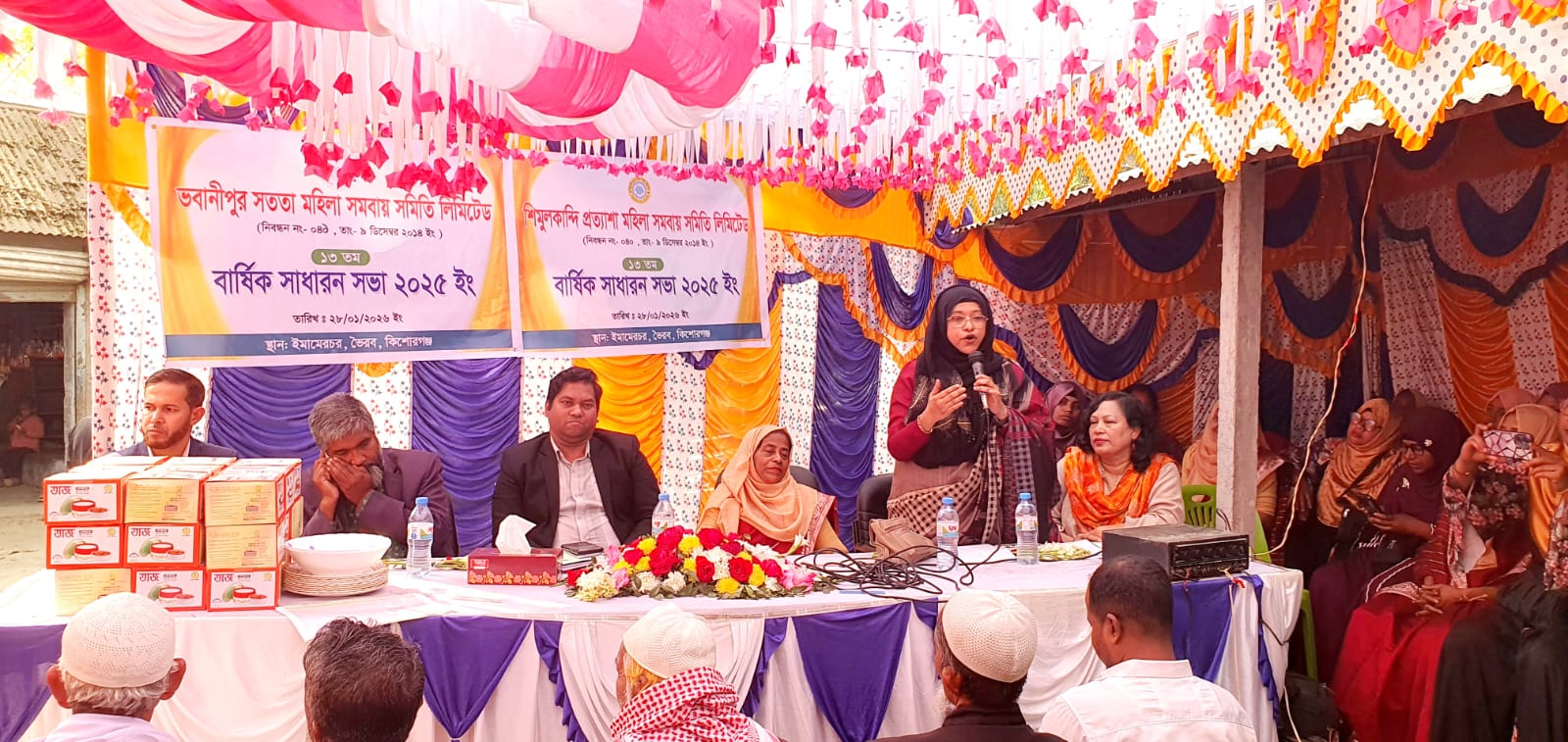
The project organizes regular coordination meetings with cooperative societies to review ongoing activities, share experiences, identify challenges, and discuss future priorities. These meetings provide platforms for dialogue, peer learning, collaborative problem-solving, and informed decision-making. Relevant issues requiring management committee or board approval are documented and followed up to strengthen cooperative governance, accountability, and institutional coordination.
21. Orientation of Local Leaders on One Health and Nutrition
The project organizes orientation sessions for local community leaders, including imams, teachers, and respected community representatives, on the One Health approach and nutrition-related issues. The sessions highlight the interconnectedness of human, animal, and environmental health, along with the importance of safe food, proper nutrition, hygiene, and disease prevention. Community leaders play an important role in disseminating positive health and nutrition messages and promoting behavioural change at household and community levels.
22. Training on Cooperative Savings and Credit Management
The project provides training to cooperative members, management committee representatives, and responsible personnel on effective savings mobilization, credit management, and financial administration. The training emphasizes transparent financial practices, accurate record-keeping, responsible loan disbursement and recovery, internal controls, and regular financial monitoring. These initiatives strengthen the financial management capacity, accountability, and long-term sustainability of cooperative societies.
-
Donar Name:
Heifer International Bangladesh
-
Date:
June 2025 to June 2027
-
Category:
Agriculture
-
Location:
Mirzapur, Sakhipur, Bhairab