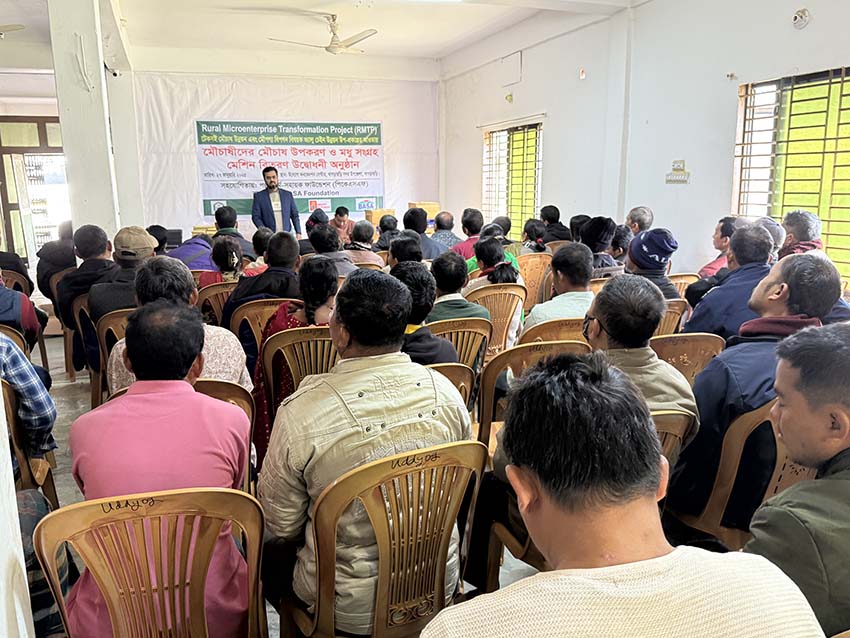
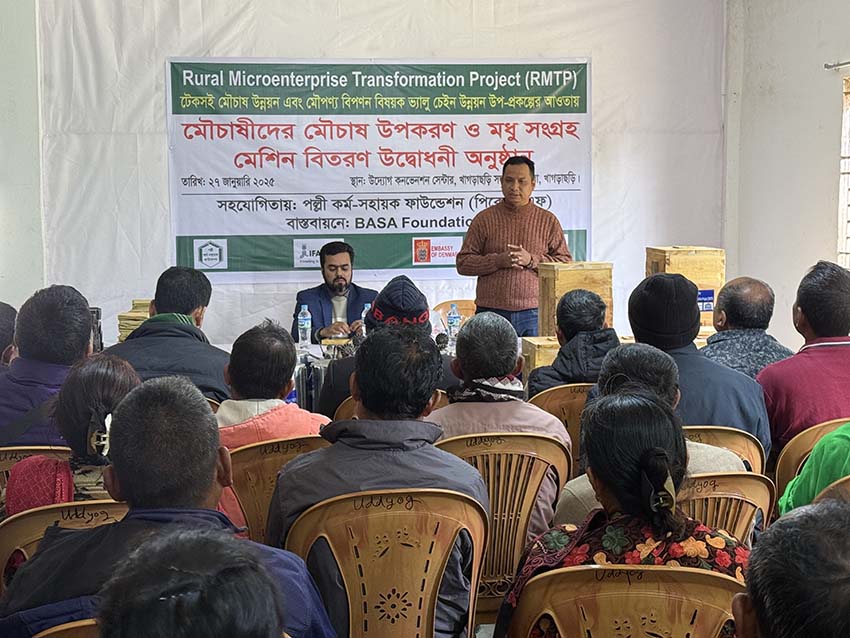
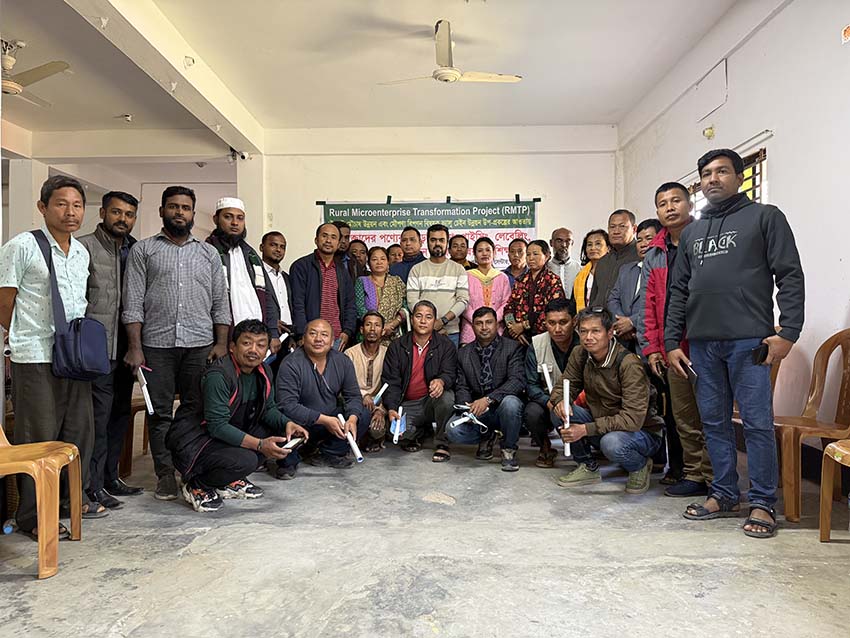
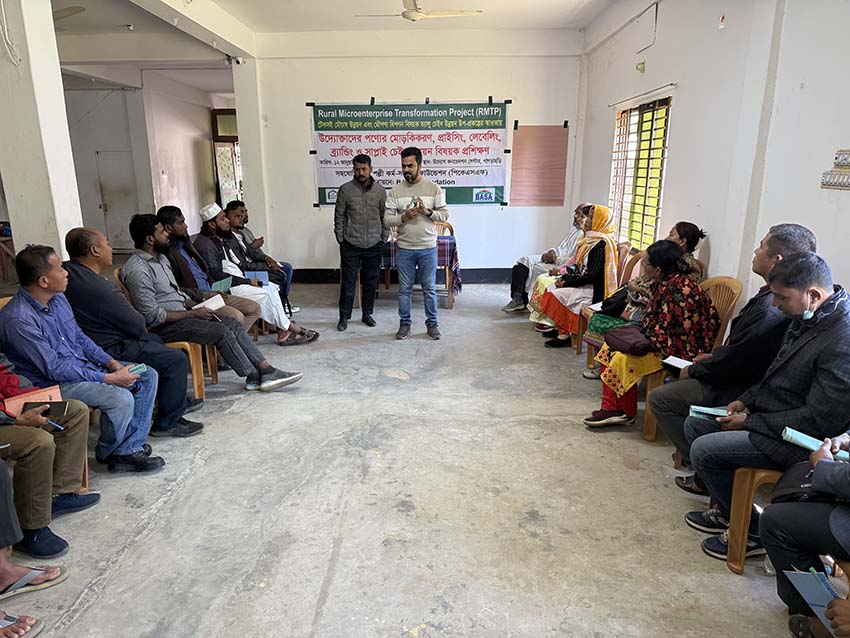
Project goal and objectives:
Goal:
To increase income, create employment opportunities and improve the quality of life of beekeepers through the production, quality improvement and marketing of bee products through the application of modern and advanced technology.
Objectives:
- To increase and promote productivity by using various modern technologies in the production and collection of honey and bee products.
- To increase consumer awareness about the beneficial aspects/qualities of honey and bee products and to contribute to increasing the demand for honey and bee products.
- To increase the sale of honey by increasing the supply and marketing of pure honey.
- To increase sustainable beekeeping and bee product production by increasing the cultivation of honey crops.
- To create employment and create a sustainable sector by developing the market for beekeeping equipment suppliers and services.
Background of the project:
Khagrachari Hill District is an area with immense potential for beekeeping. Bees collect honey from various forest flowers, vegetables, litchi, grapefruit, lemon, guava, bell, tamarind, olive, mustard etc. Beekeepers in this area cultivate Apis Serena variety of bees and collect honey. Apis Serena is a native bee variety of Bangladesh. The production capacity of this variety of bees is low but the honey extracted is incomparable in taste and smell and attractive in color, so the demand and price of honey is relatively high. Since this variety of bees is easy to raise and in hilly areas is no sufficient source of honey flowers, so beekeepers in the hill areas beekeeping with Apis Serena variety of bees. Most beekeepers collect honey with 1-5 bee colonies around their homes as a hobby. Most beekeepers do not manage the hive properly, they only collect the honey when collected the time comes. Bee food shortage in the lean period, beekeeper should prepare food (sugar syrup and pollen substitutes) and give it bee colonies inside or outside to keep them alive. Most of the hilly areas beekeepers do not know and do not take action accordingly. As a result, the growth of bees in the hive is hampered, the queen becomes weak, the number of bees decreases and in most cases the bees leave their homes for live. In addition, beekeeping equipment such as bee box made by themselves or by carpenter. Most beekeepers make and use different sizes of bee hives. As a result, they face problems in managing bee colonies and face difficulties in buying and selling beehives. Above all, it hinders the expansion of beehives. Apart from this, they collect other necessary beekeeping equipment’s from Dhaka or other places. No entrepreneurs have emerged to supply the equipment’s. Beekeepers do not know about comb foundation sheet and machines and due to the lack of use comb foundation sheet in hilly areas, it takes more time to make bee hives for bees. For all these reasons, beekeepers are not able to collect the desired honey. Honey is collected throughout the year in the mentioned district, but the most honey is collected in February to June of the year due to the presence of litchi flowers and forest flowers. Their collected all honey sell locally in unprocessed form. It is noteworthy that modern honey processing machines have not been installed in the hilly areas and beekeepers and consumers generally have little knowledge about processed and unprocessed honey. Some beekeepers heat their collected honey directly with fire to reduce excess water. Most of the Beekeepers in this area sell honey from their apiaries at a price of 1200 to 1800 taka per kg. In most cases, consumers order honey in advance from beekeepers. Beekeeping in the hilly areas is not expanding due to the lack of use of advanced technology, prior knowledge about modern beekeeping and proper training of beekeepers. Safe honey production can be increased by providing necessary modern technology, processing, preservation, marketing and other support in the hilly areas. As a result, opportunities will be created across the country to brand honey collected from multi-flower in hilly areas.
Major Activities:
- Conduct baseline survey
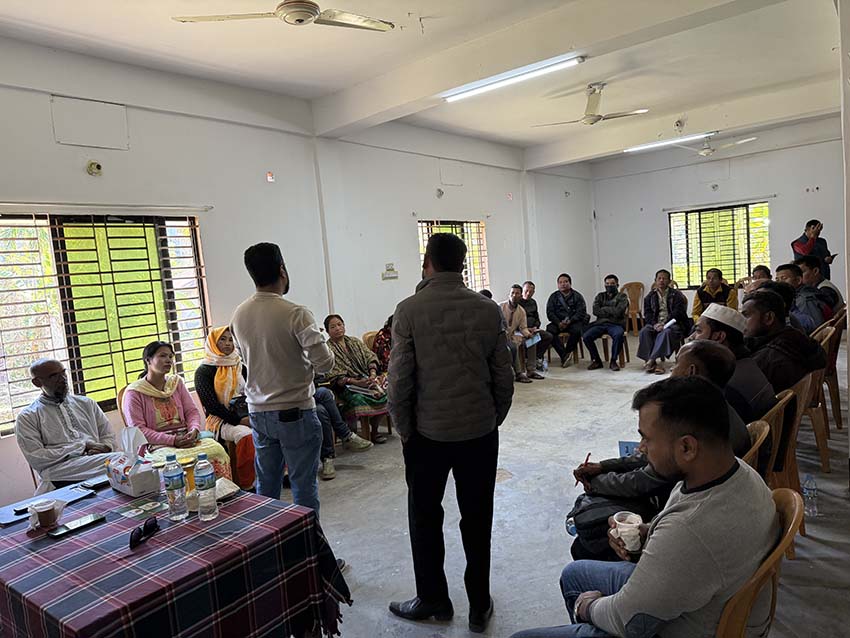
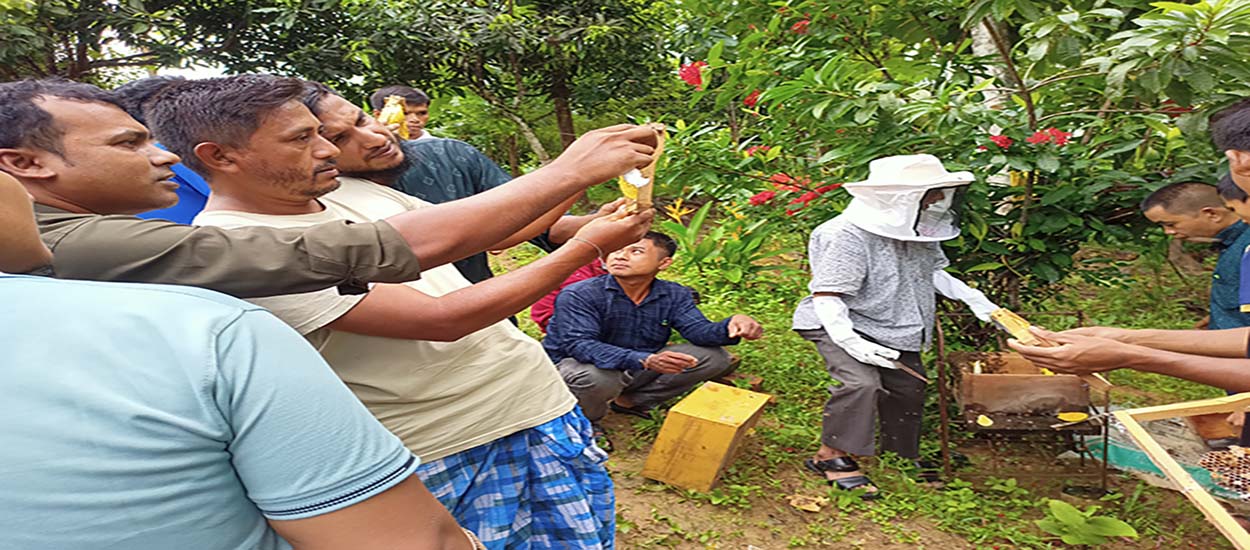
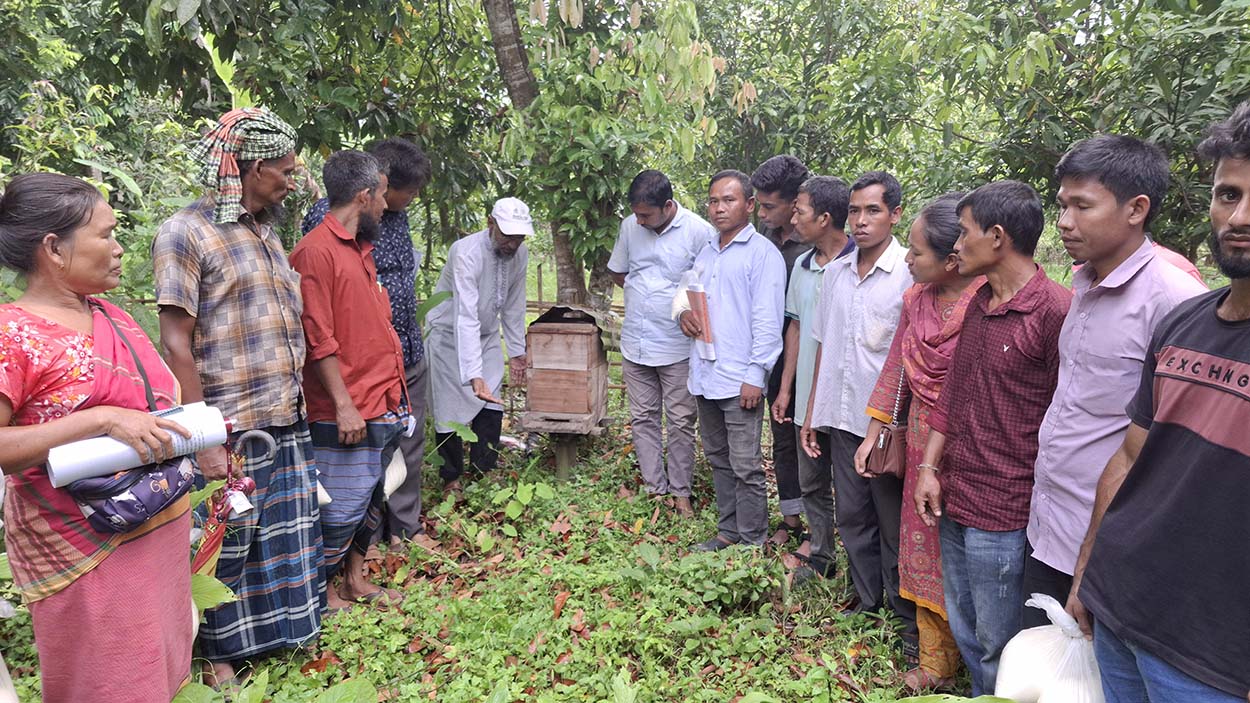
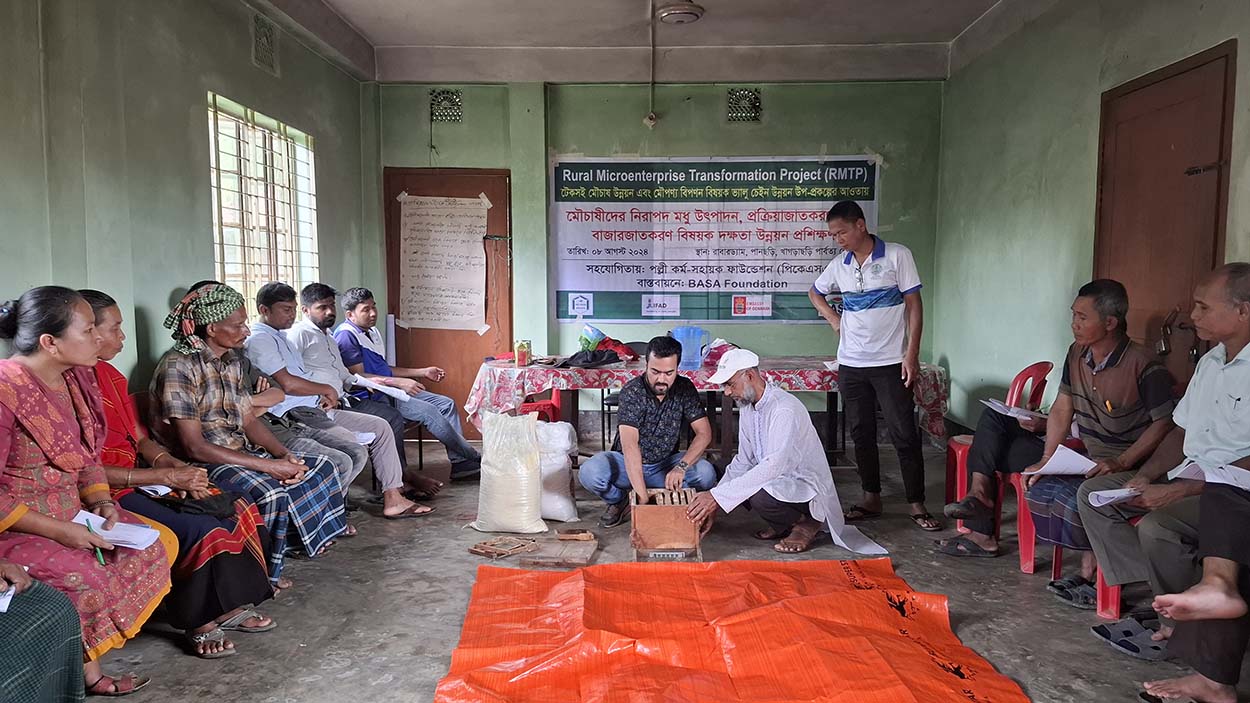
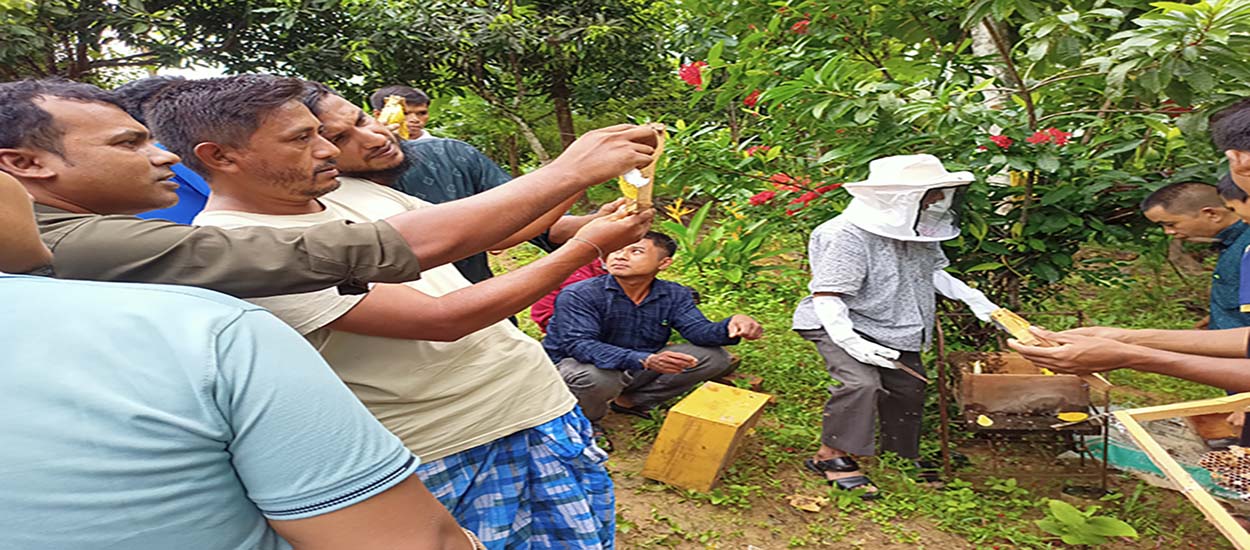
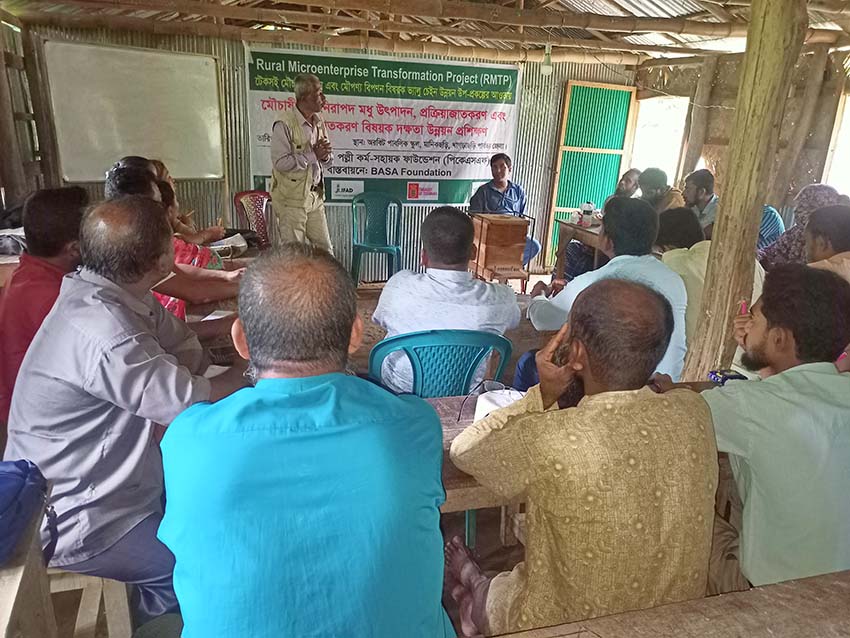
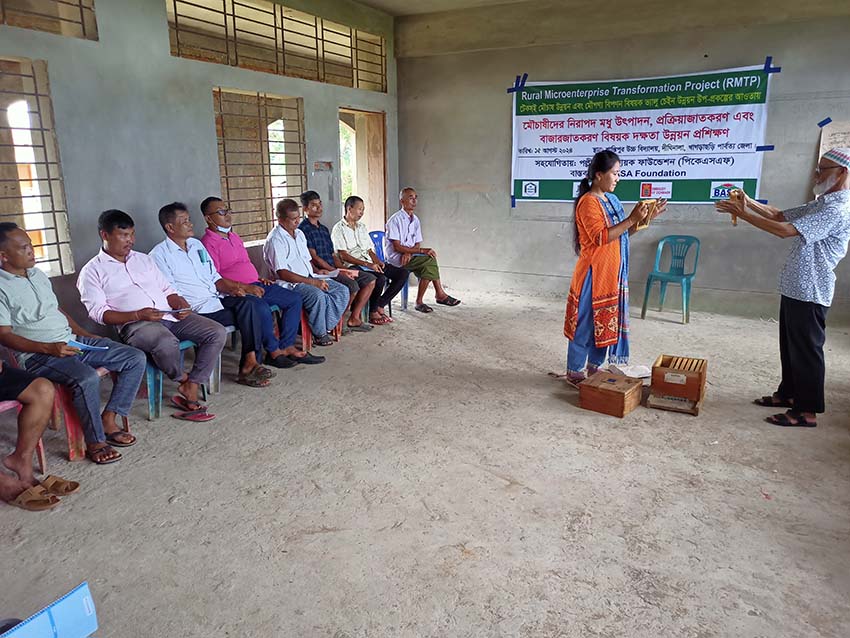
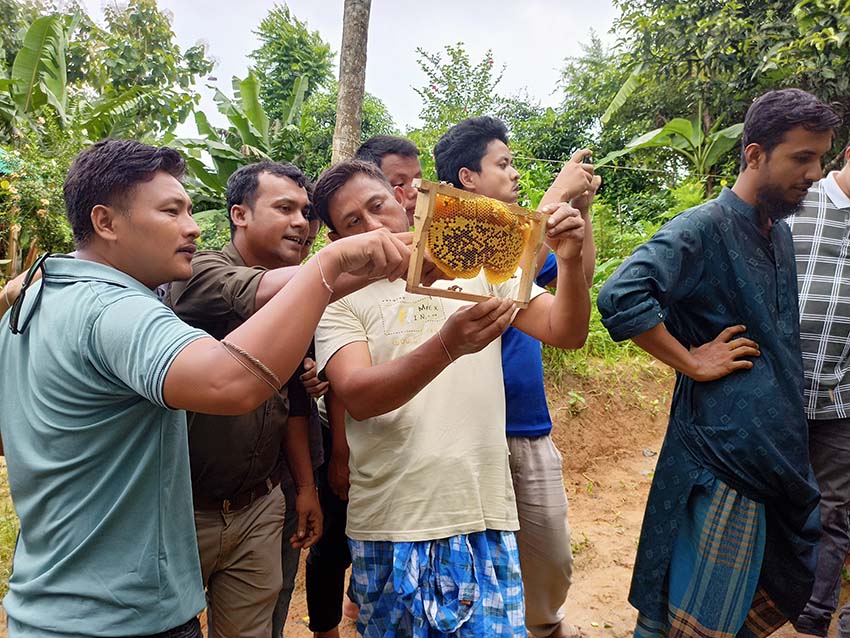
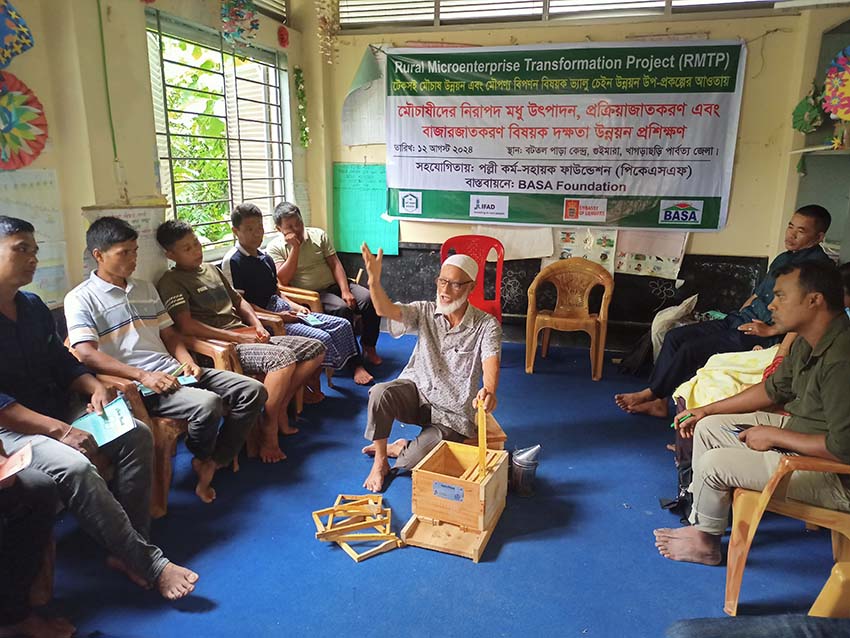
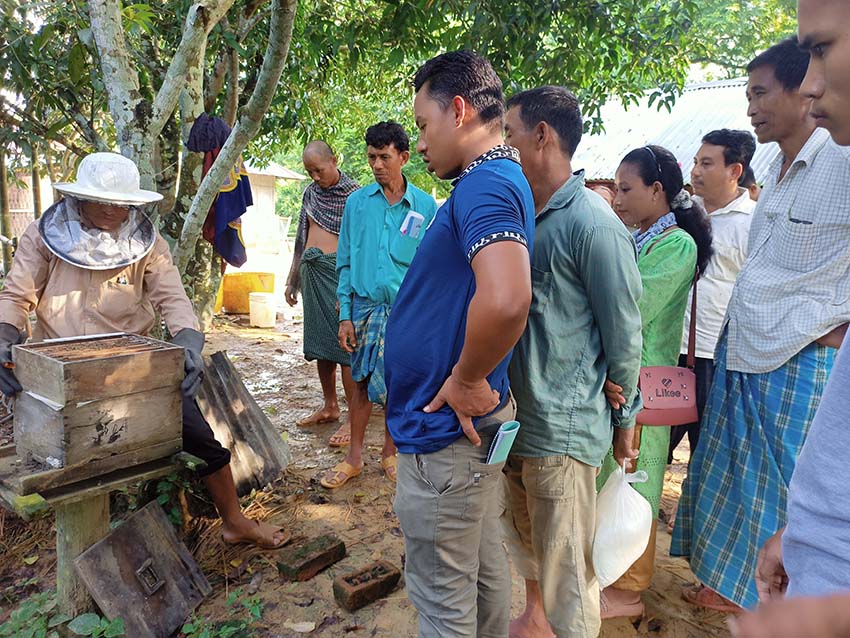
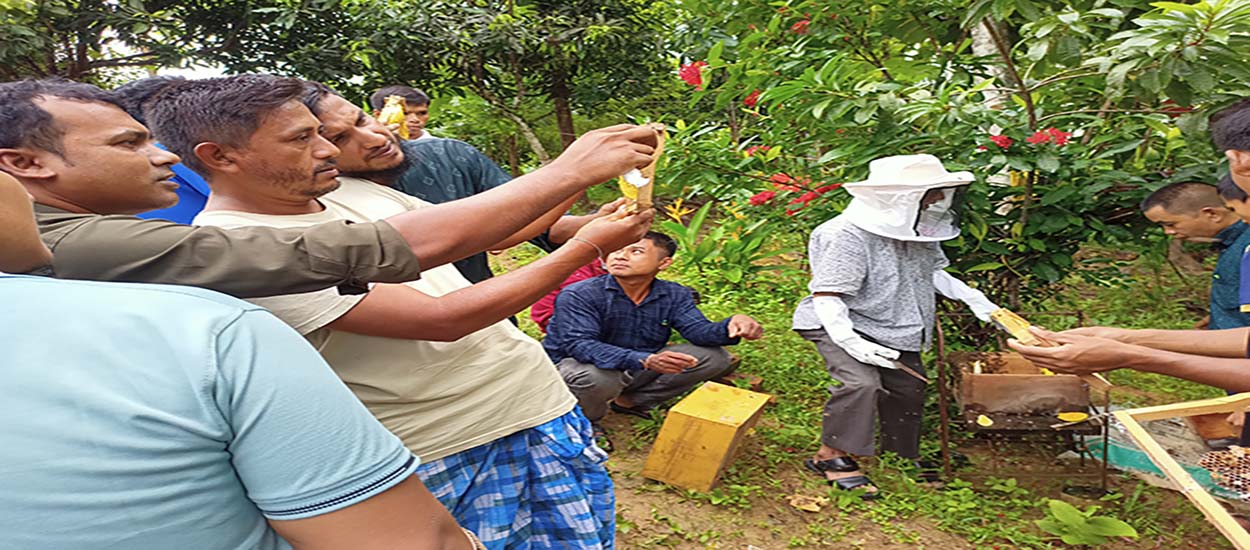
- Training on skill development of beekeepers, increasing production, improved queen bee production, honey processing, storage and marketing
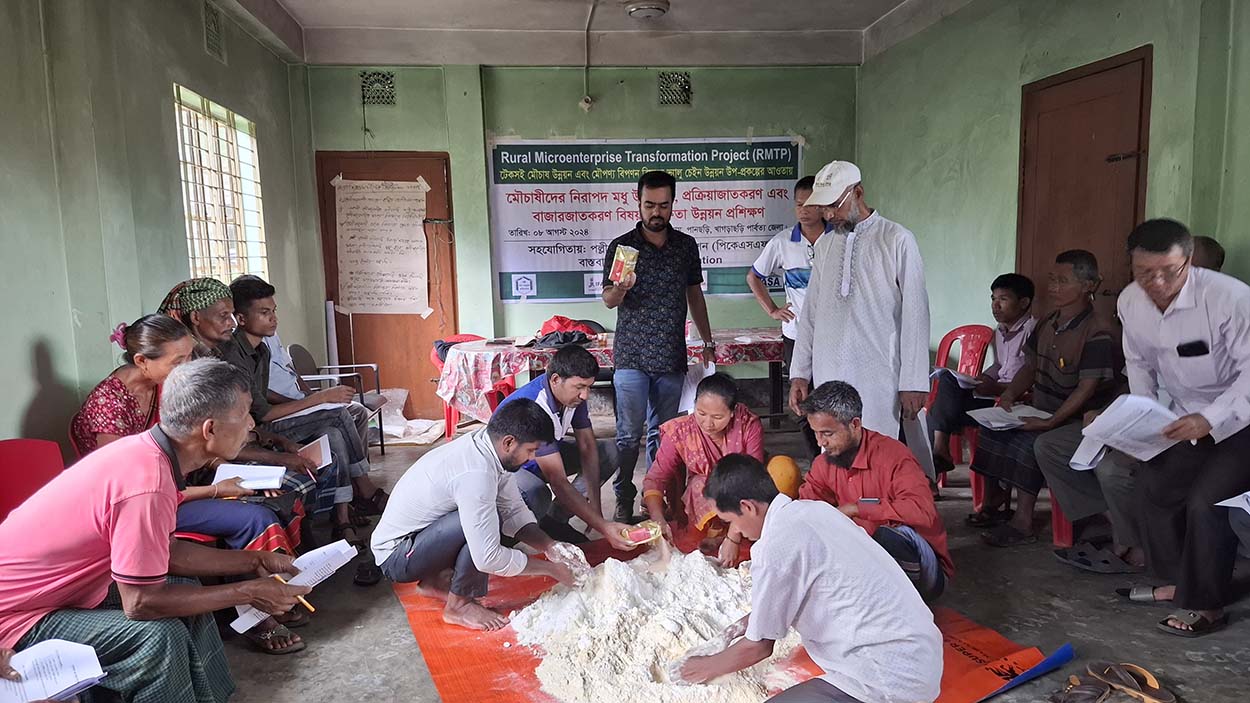
- Demonstration of pollen recipe preparation methods and distribution for managing the dearth period
- Advertising and boosting on social media to expand the market of bee products
- Online marketing training at the entrepreneurial level
- Providing grants for online/social media campaigns to create market for safe bee products
- Skill development training for entrepreneurs for product packaging, pricing, leveling, branding and supply chain management
- Beekeepers training on safe honey production
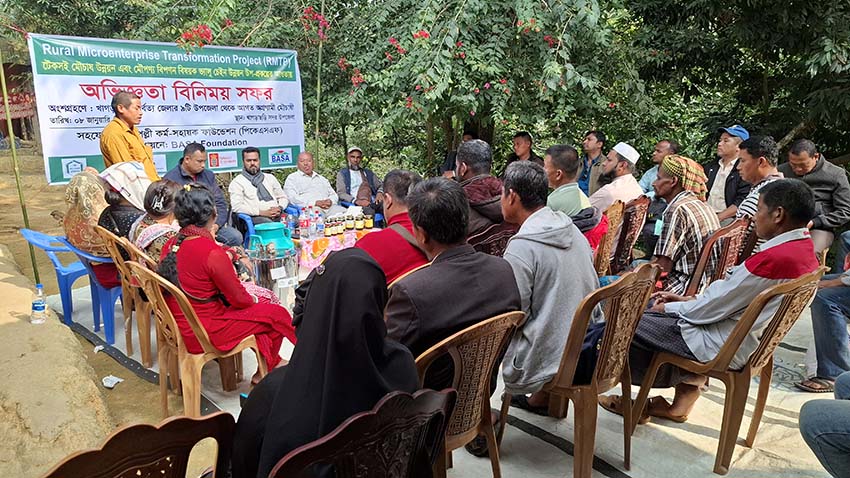
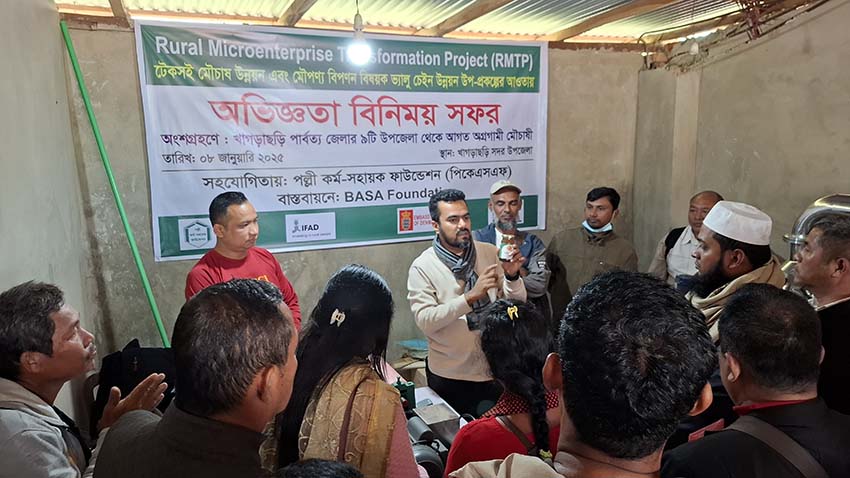
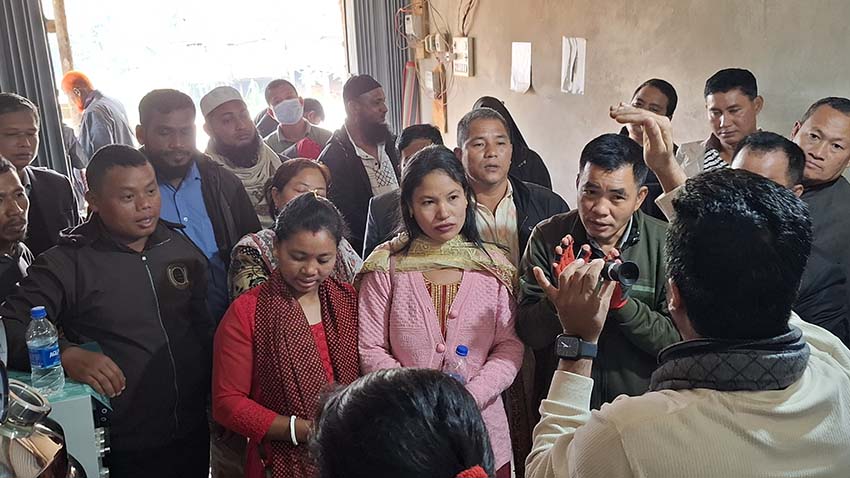
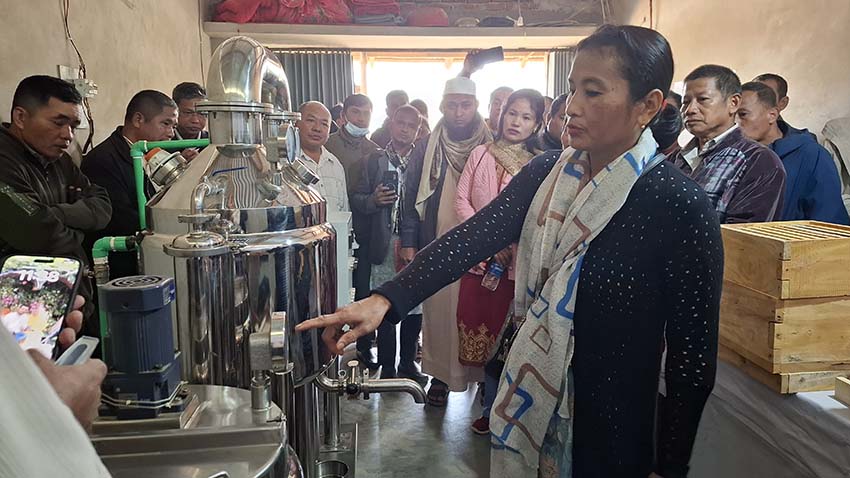
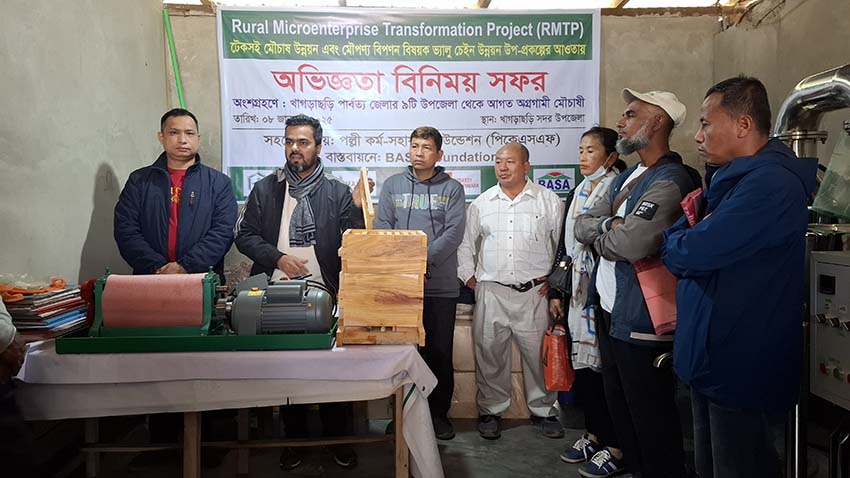
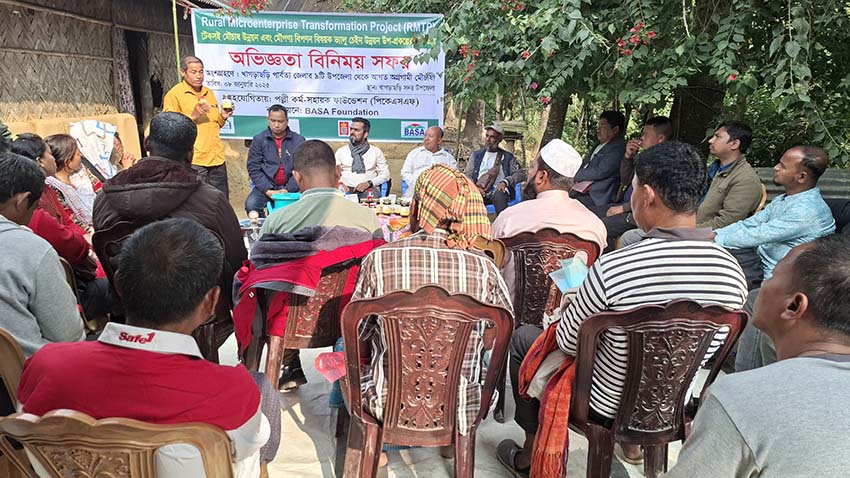
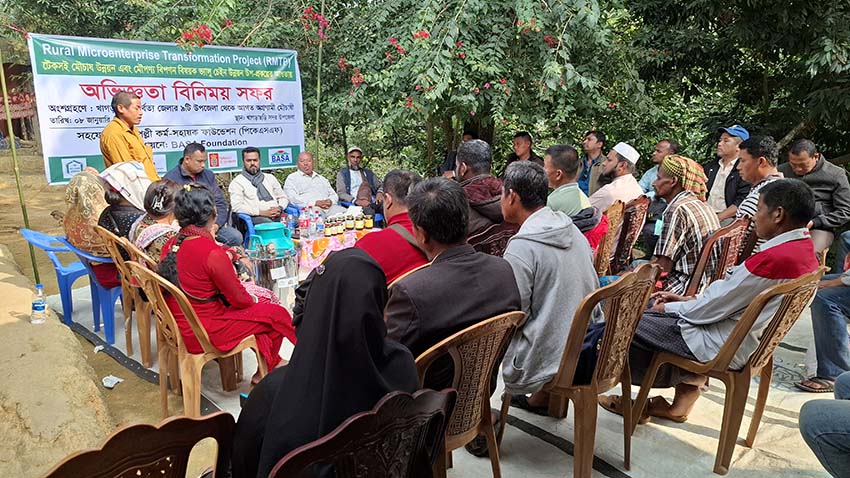
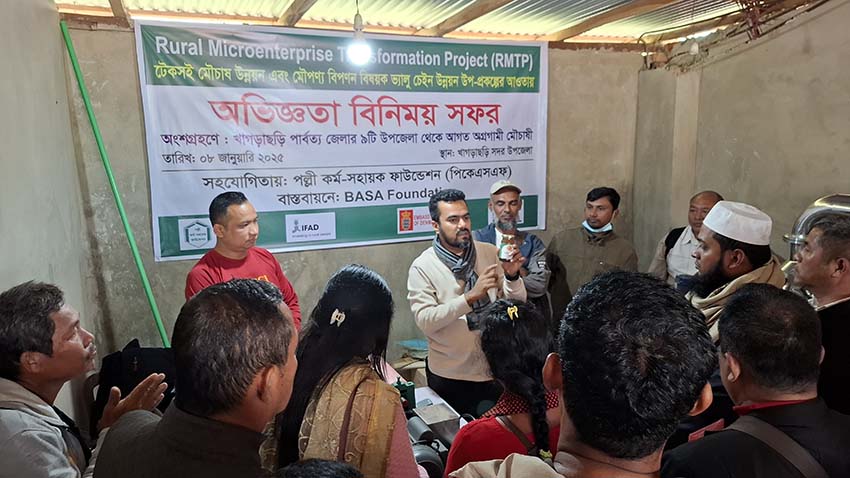
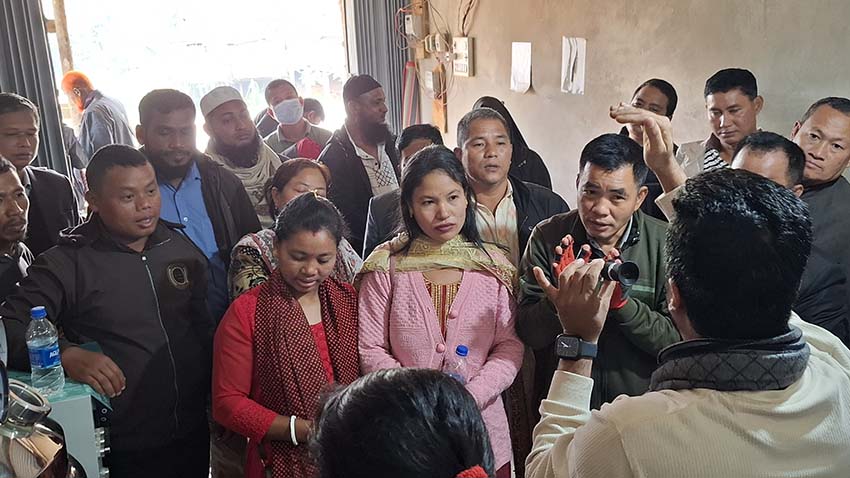
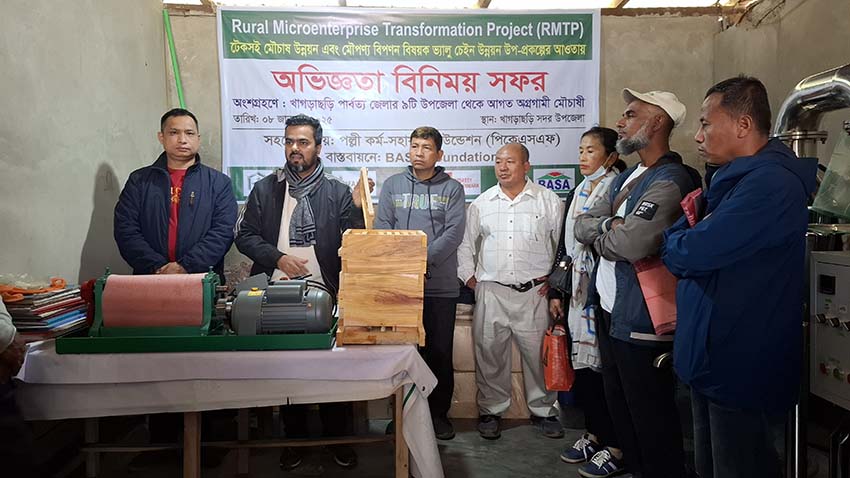
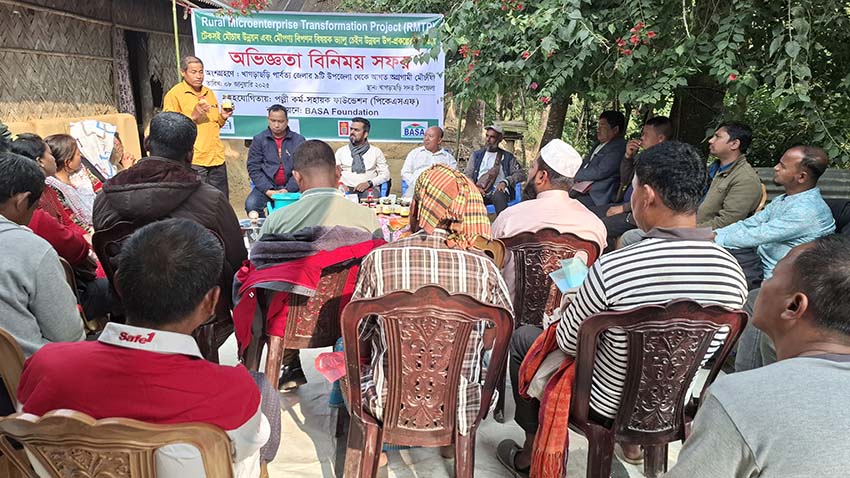
- Expouser visit
- Training on nutrition, climate, environmental and social issues
- Training for honey crop producers on increasing production by installing honey beehives in their honey crop field and the advantage of consuming quality of honey
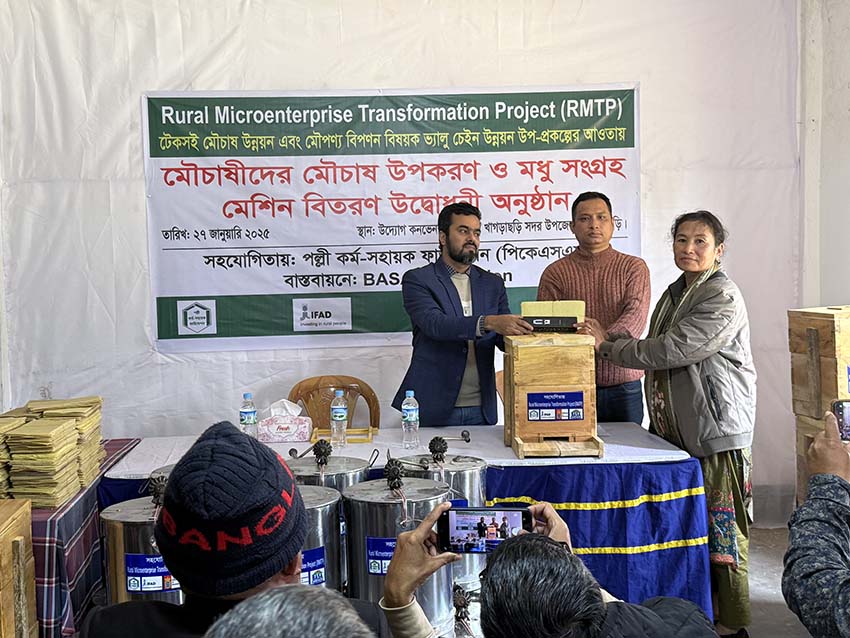
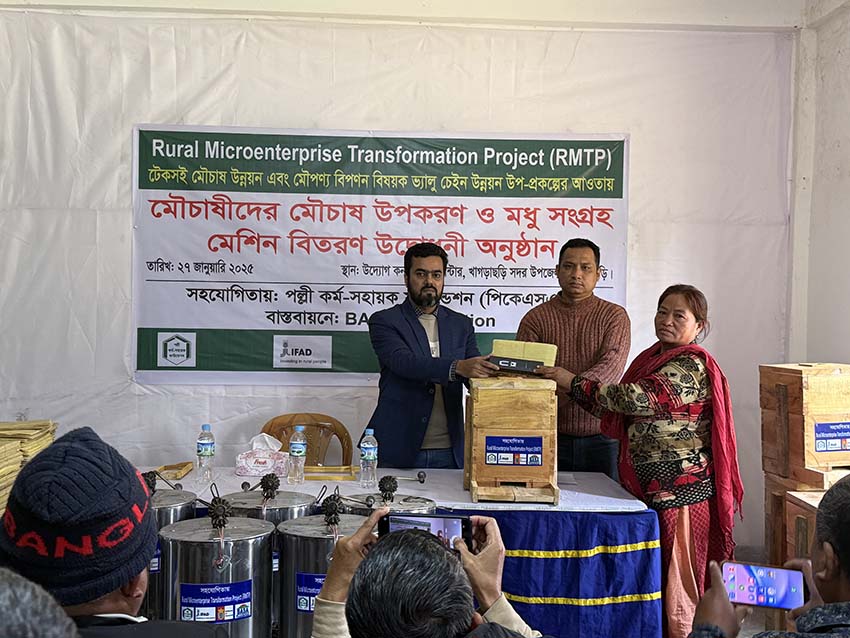
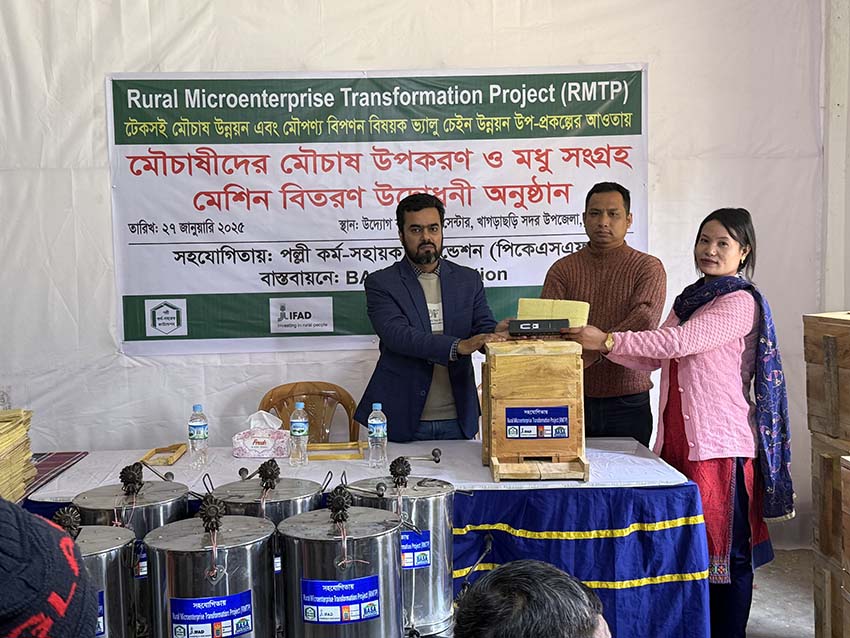
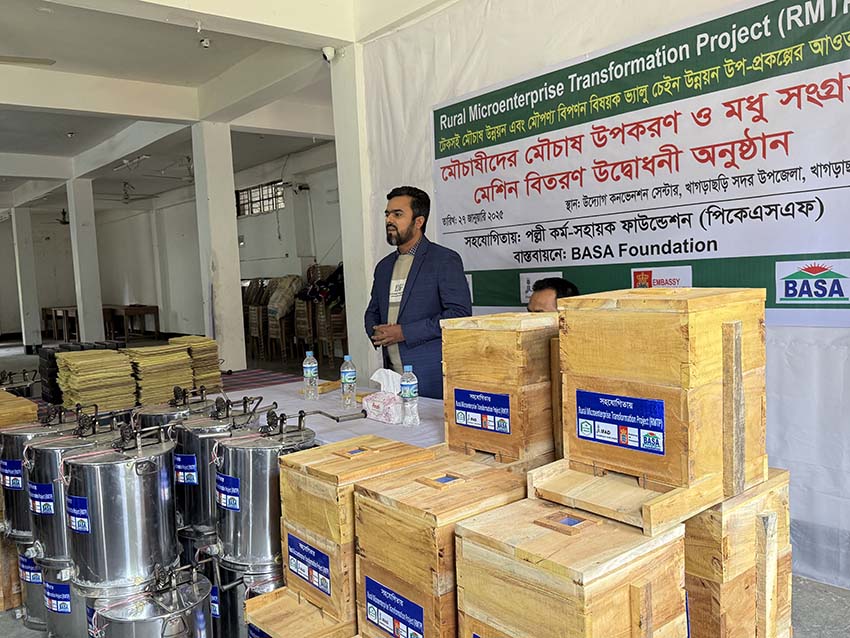
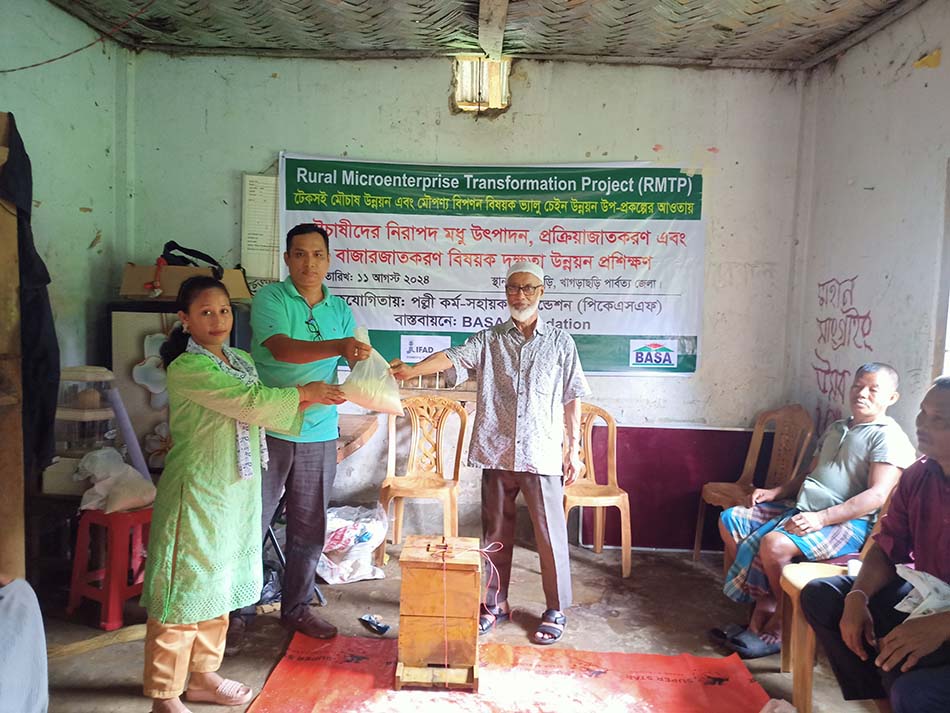
- Providing improved beekeeping equipment among the beekeepers
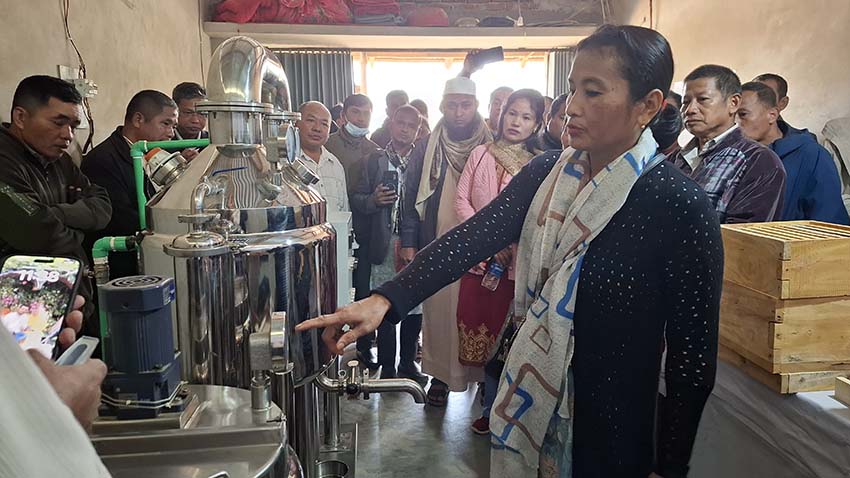
- Distribution honey extractor machines made by stainless steel among beekeepers
- Organize a honey fair
- Support to beekeepers to make product display corners at various sales outlets
- Create advertisement for honey products
- Distribute honey processing machine
- Distribute packaging materials for honey branding among beekeepers
- Video documentary made on beekeeping in hilly areas
- Conduct end line survey
-
Donar Name:
Palli Karma-Shahayak Foundation (PKSF), International Fund for Agriculture Development (IFAD) and Embassy of Denmark.
-
Date:
2 years (May 2024 to December 2025)
-
Category:
Apiculture(Beekeeping)
-
Location:
09 Upazilas of Khagrachhari hill districts.